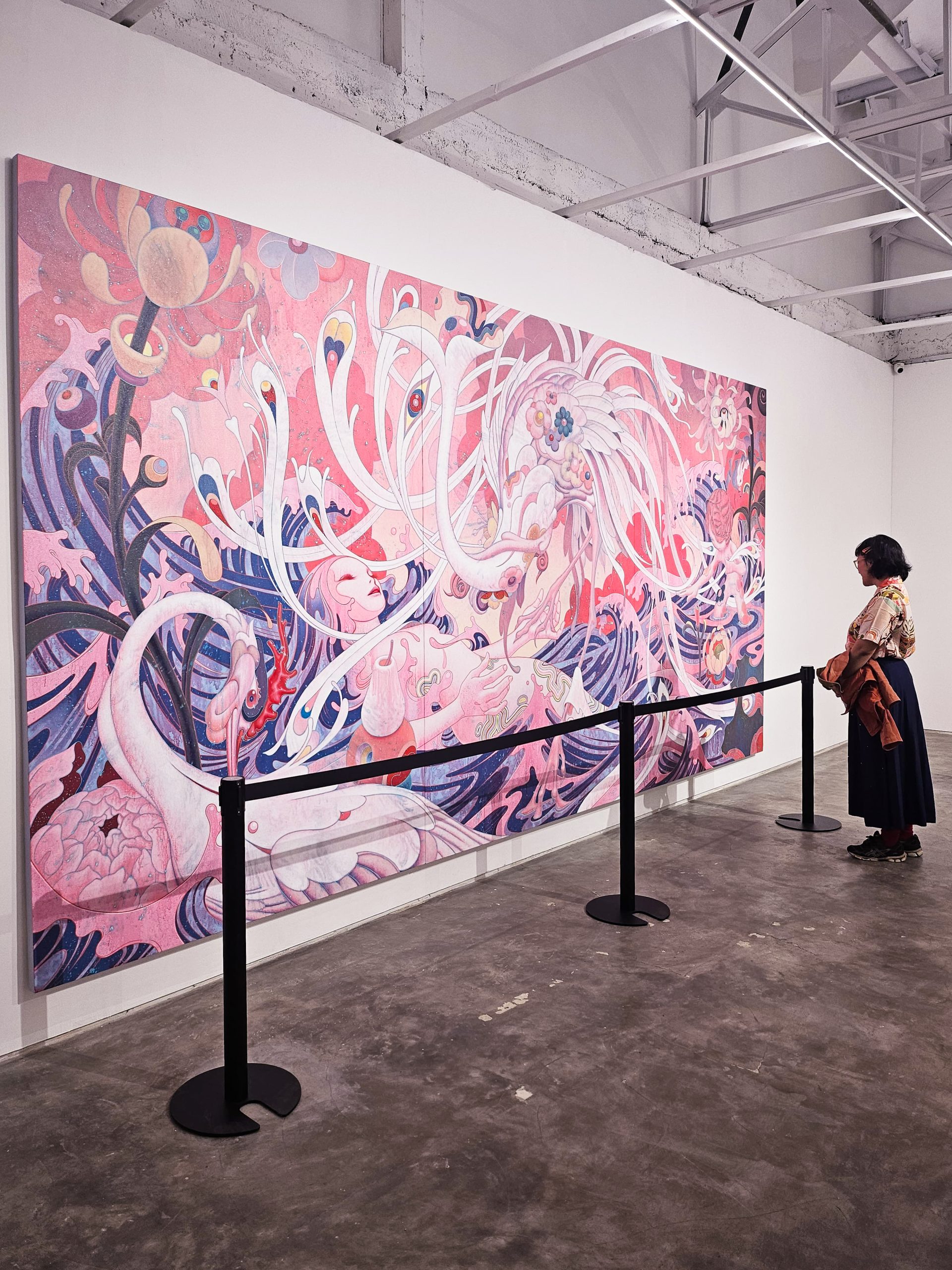
Sintila: Visiting James Jean

Sometime in April, my dream came true: James Jean came with a solo exhibition to Indonesia! As a huge fan of his works since at least 2006, I have been waiting for this moment my whole life. When it’s finally happening, I made it my mission to be there. If you had watched my vlog from last week, you might have seen that I went to great lengths to be in the same room as James Jean—and ended up having a photo taken with the artist himself, eep! But I’m not the only fan of James Jean in this household—my sister shares this same love—so I knew we’d have to go to the exhibition together. So here we are.
Sometime in April, my dream came true: James Jean came with a solo exhibition to Indonesia! As a huge fan of his works since at least 2006, I have been waiting for this moment my whole life. When it’s finally happening, I made it my mission to be there. If you had watched my vlog from last week, you might have seen that I went to great lengths to be in the same room as James Jean—and ended up having a photo taken with the artist himself, eep! But I’m not the only fan of James Jean in this household—my sister shares this same love—so I knew we’d have to go to the exhibition together. So here we are.
📷 ASUS ZenFone 10 50 MP f/1.9, (23.8 mm lens) + Samsung Z Flip 7 50.0 MP + 12.0 MP F1.8-F2.2

An Artist's Odyssey

It was first through My Chemical Romance’s The Black Parade (2006) that my sister and I both discovered James Jean. He created the entire album art, resulting in one of the most iconic imagery in music records of (at least) the last 20 years. I’ve been following his career ever since, seeing him experiment with new styles, expand his horizon to Asian countries (such as Japan and South Korea), and grow exponentially as an artist.

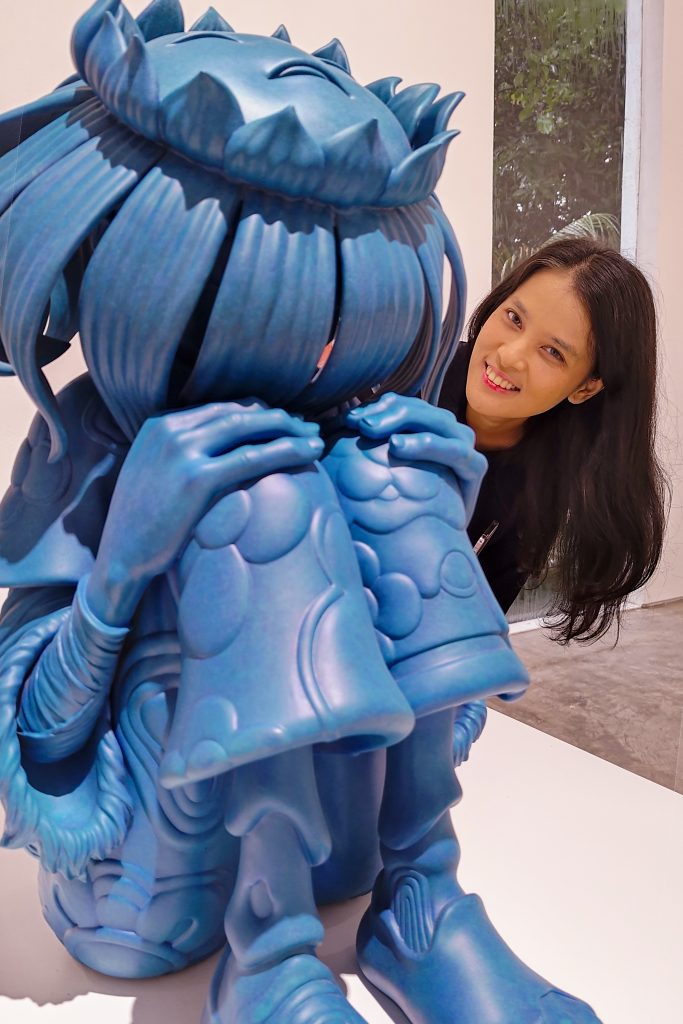
Today he has shed his title as an illustrator and transformed into an artist of his own right. He has held regular exhibitions all over the world—mostly in Japan and South Korea—and often designs epic movie posters, collaborating with incredible directors, such as Guillermo del Toro, Darren Aronofsky and Park Chan Wook. He has since expanded his venture beyond the canvas to utilise different materials that bring a fresh touch to his work, such as metal (using gold or bronze), stained glass, and 3D statues in various sizes. What a journey it has been and an honour to witness.

It was first through My Chemical Romance’s The Black Parade (2006) that my sister and I both discovered James Jean. He created the entire album art, resulting in one of the most iconic imagery in music records of (at least) the last 20 years. I’ve been following his career ever since, seeing him experiment with new styles, expand his horizon to Asian countries (such as Japan and South Korea), and grow exponentially as an artist.

Today he has shed his title as an illustrator and transformed into an artist of his own right. He has held regular exhibitions all over the world—mostly in Japan and South Korea—and often designs epic movie posters, collaborating with incredible directors, such as Guillermo del Toro, Darren Aronofsky and Park Chan Wook. He has since expanded his venture beyond the canvas to utilise different materials that bring a fresh touch to his work, such as metal (using gold or bronze), stained glass, and 3D statues in various sizes. What a journey it has been and an honour to witness.

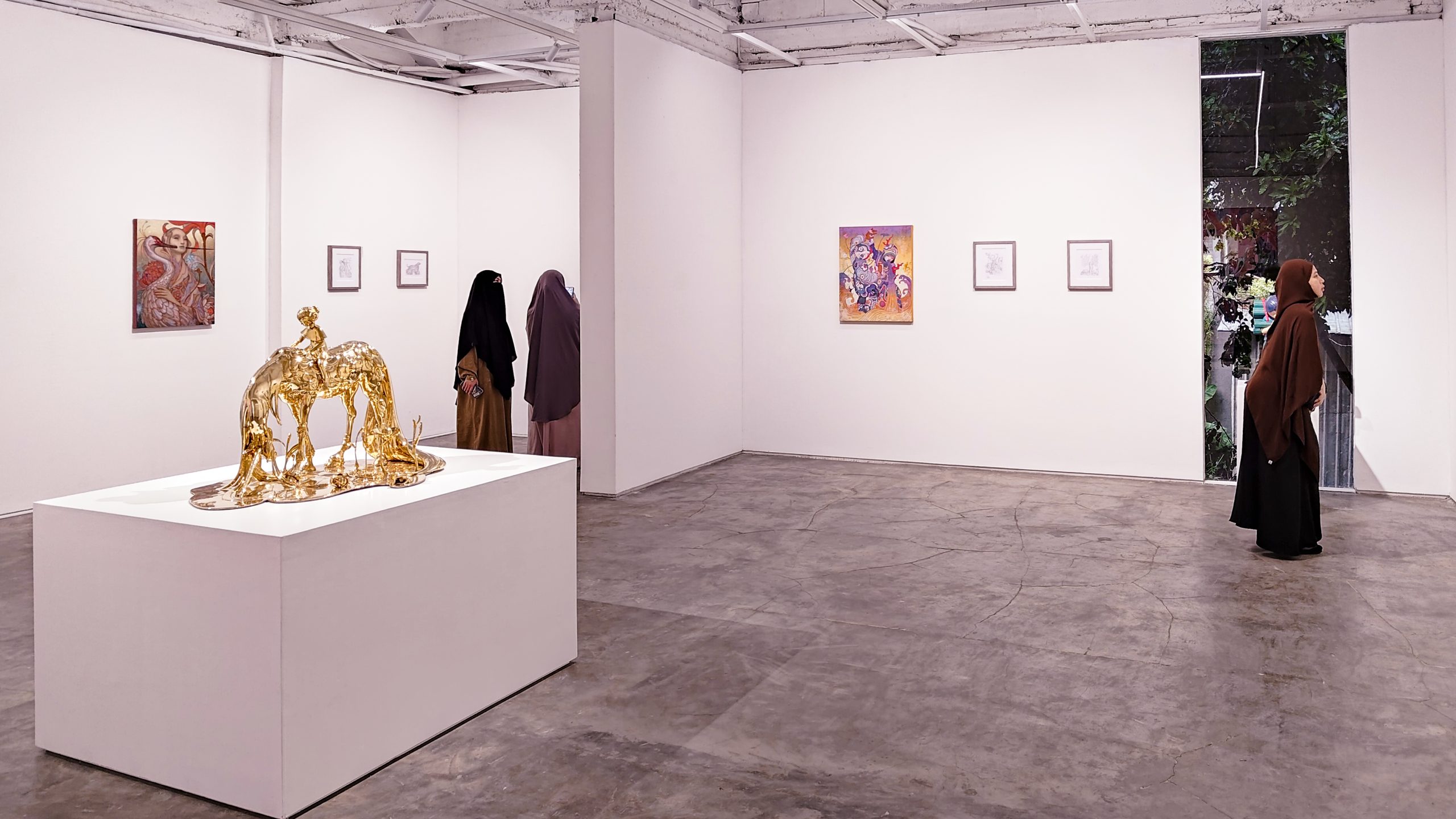
The Sintila exhibition is James Jean’s first solo exhibition in Jakarta—and I think it was put together specifically for the crowd in this city. His work has been exhibited in Indonesia before at Art Jakarta, but it was merely one exhibit and not a whole shebang. I didn’t even go to see that one, since it was pretty far away from home. The exhibition is organised by BAIK Art Gallery, an international gallery chain located in Los Angeles, Seoul and Jakarta, where James Jean (I believe) is a resident artist

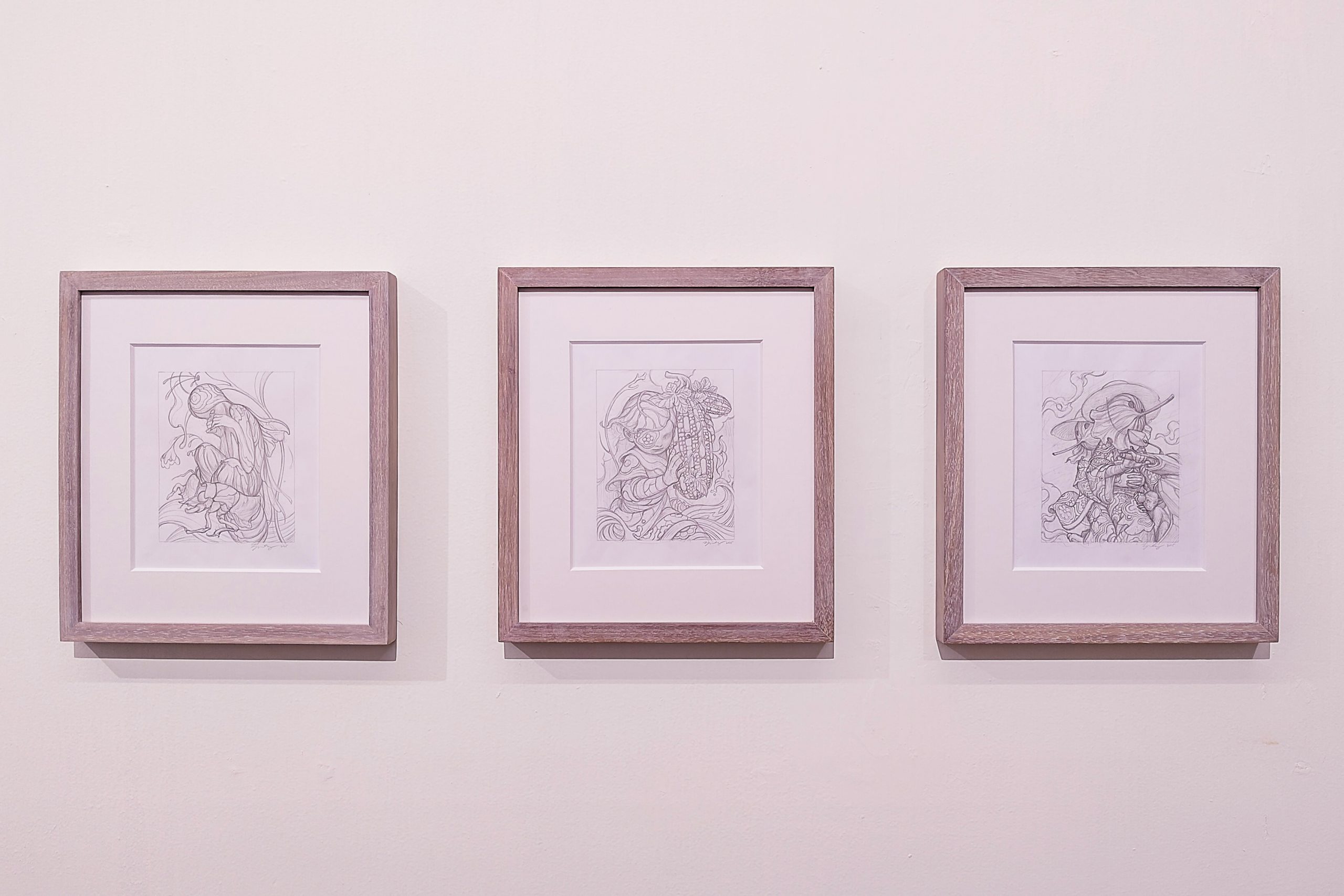
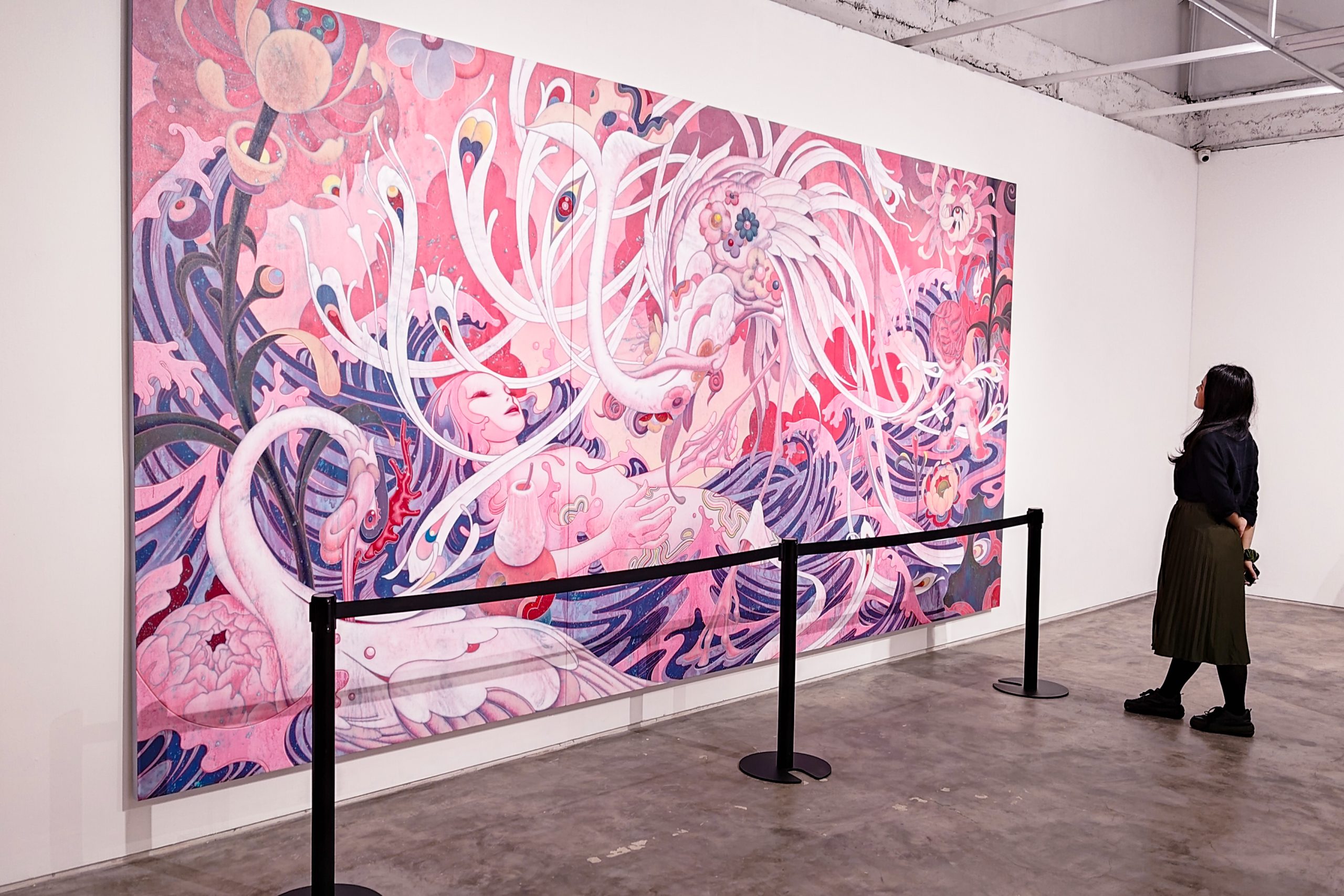
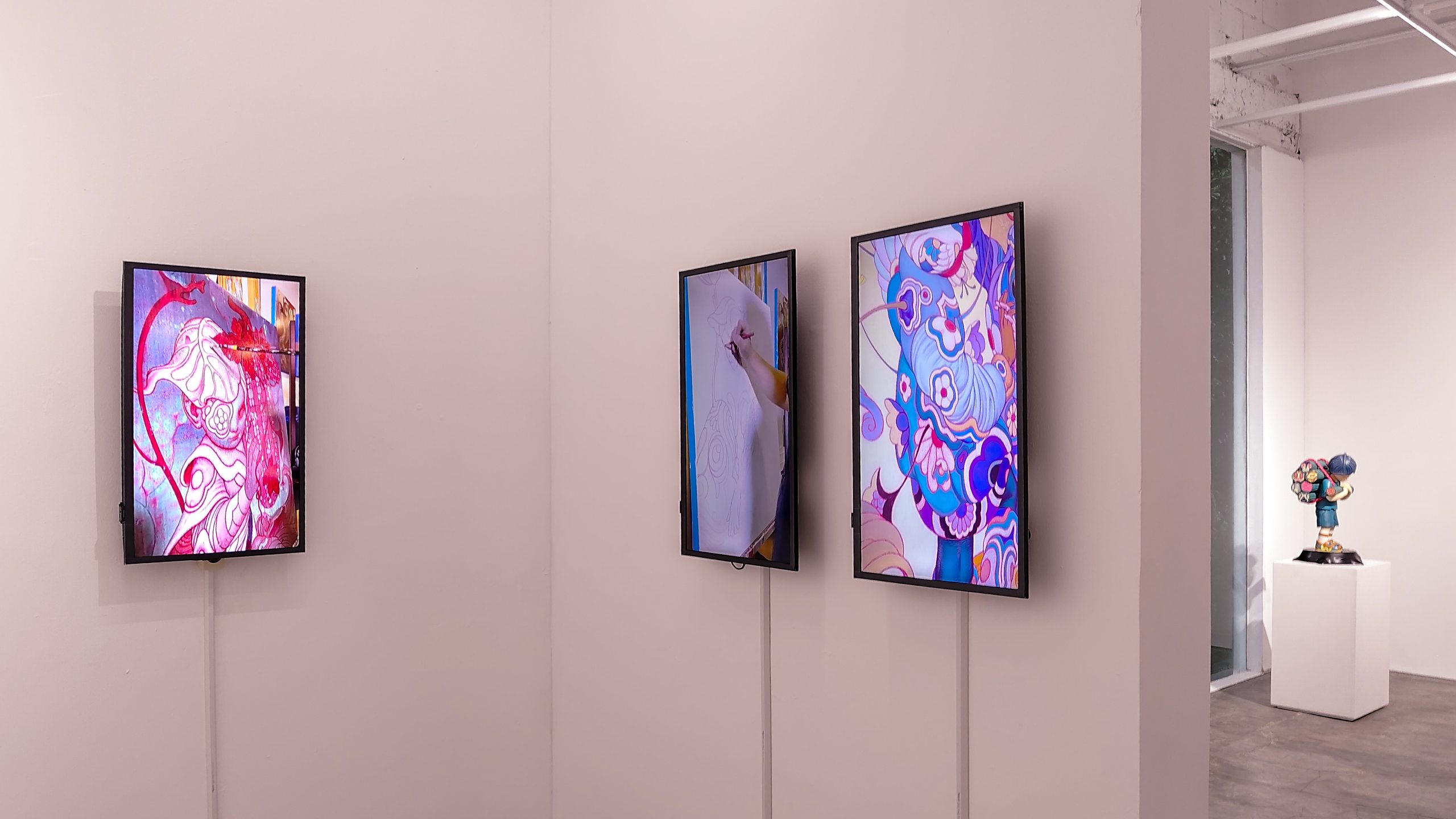
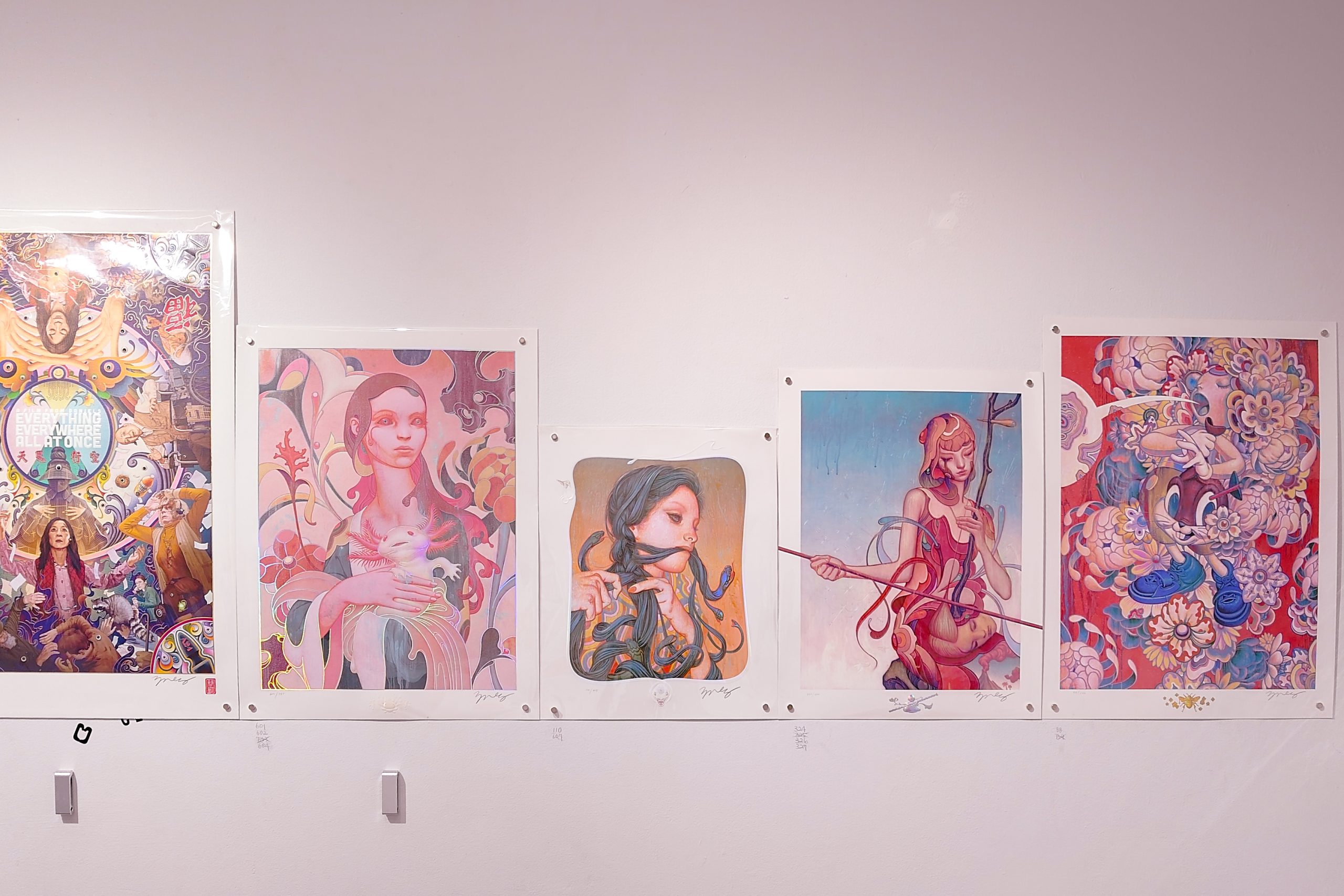
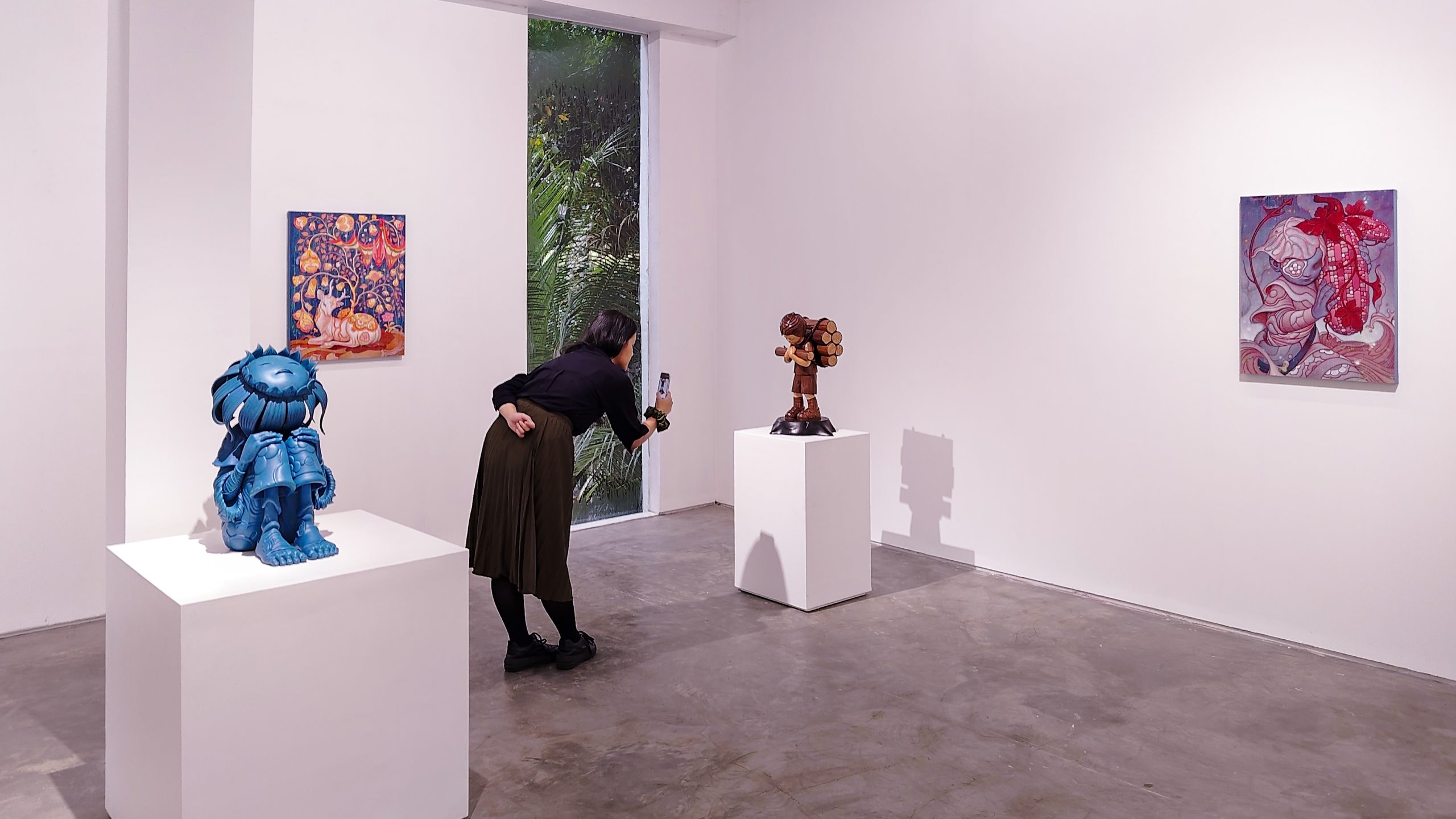
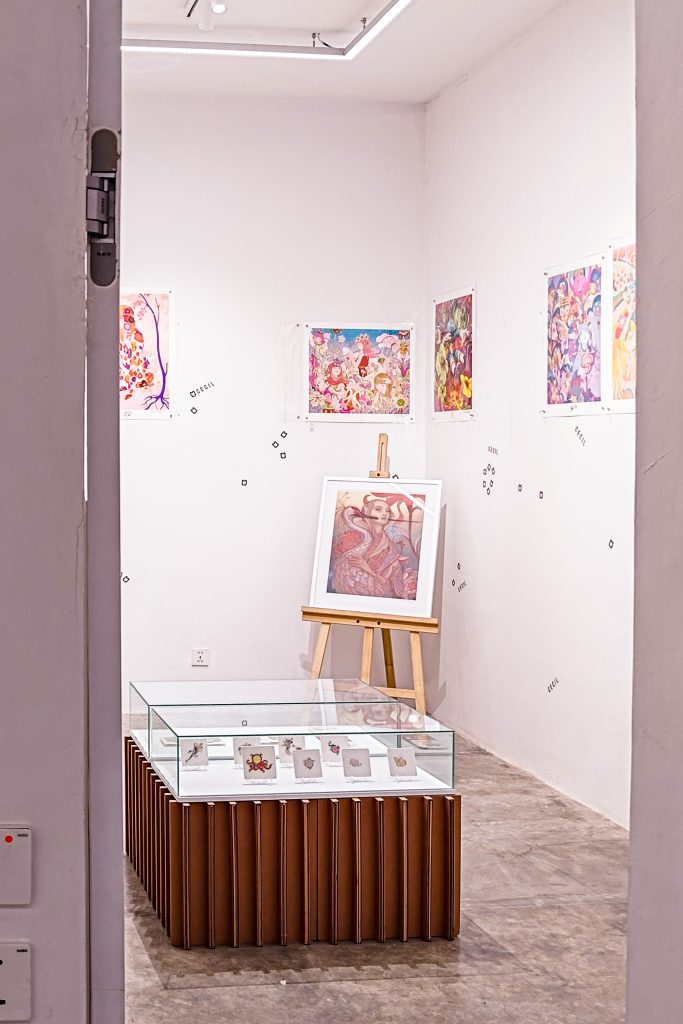
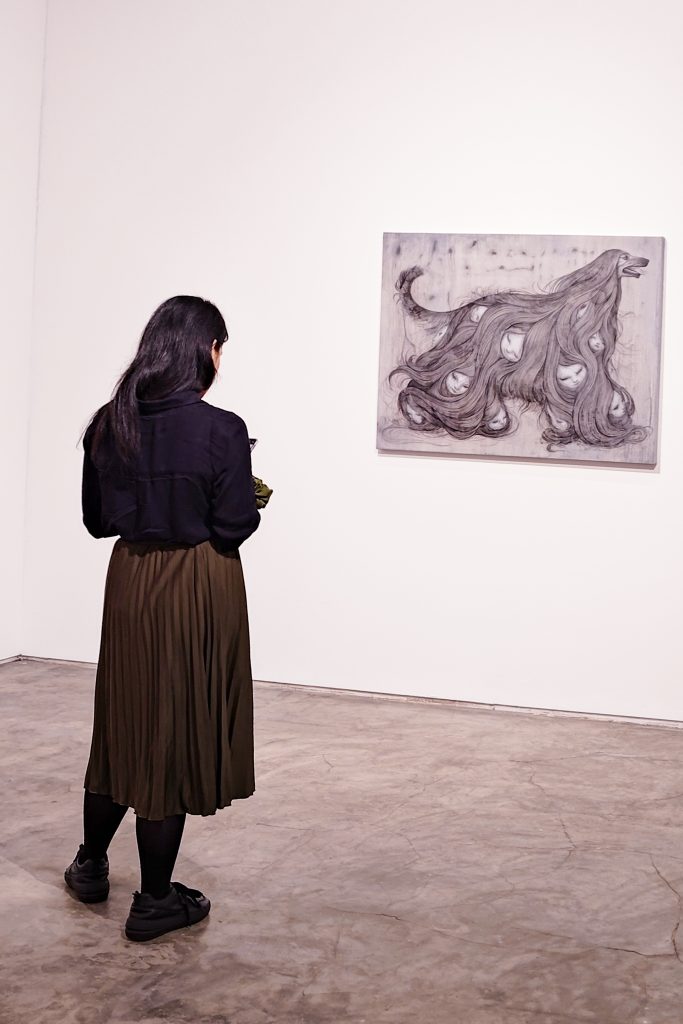
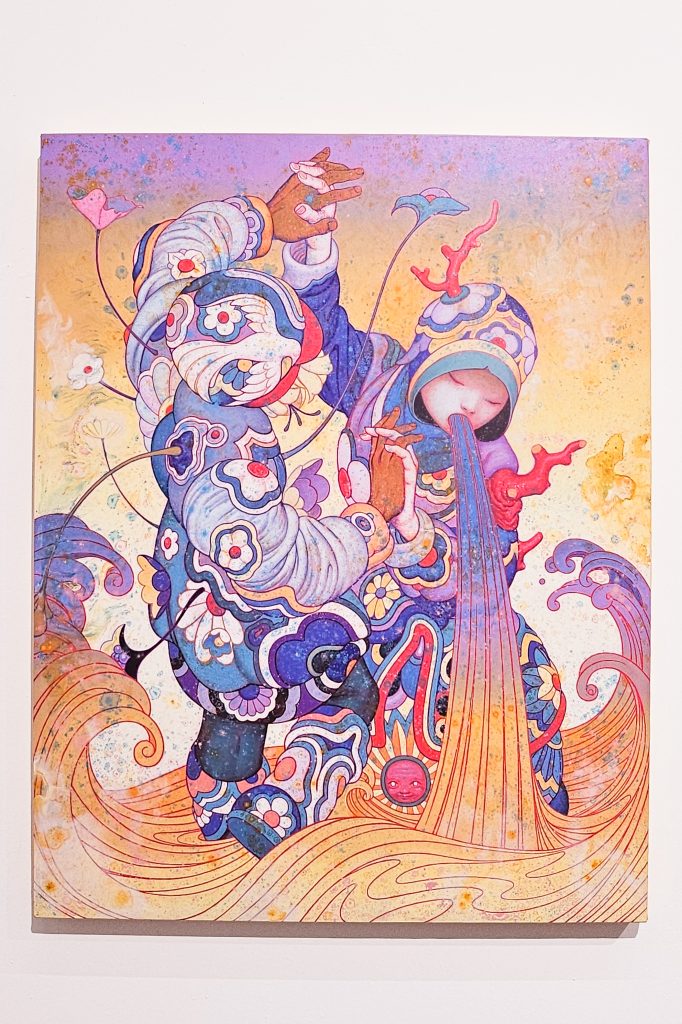
For this exhibition, James Jean brought a total of 10 paintings—with Adrift III being the biggest of the lot—10 sketches of said paintings, 4 statues, 3 WIP videos and 2 works with alternative materials. For some reason, none of the artwork comes with any description—which is a shame, since I would’ve loved to know what kind of materials were used and other background information about the artwork. Of course, you can find out about all this info from their digital catalogue—but I still would’ve appreciated the experience of reading it on a card right next to the artwork.
The Sintila exhibition is James Jean’s first solo exhibition in Jakarta—and I think it was put together specifically for the crowd in this city. His work has been exhibited in Indonesia before at Art Jakarta, but it was merely one exhibit and not a whole shebang. I didn’t even go to see that one, since it was pretty far away from home. The exhibition is organised by BAIK Art Gallery, an international gallery chain located in Los Angeles, Seoul and Jakarta, where James Jean (I believe) is a resident artist

For this exhibition, James Jean brought a total of 10 paintings—with Adrift III being the biggest of the lot—10 sketches of said paintings, 4 statues, 3 WIP videos and 2 works with alternative materials. For some reason, none of the artwork comes with any description—which is a shame, since I would’ve loved to know what kind of materials were used and other background information about the artwork. Of course, you can find out about all this info from their digital catalogue—but I still would’ve appreciated the experience of reading it on a card right next to the artwork.
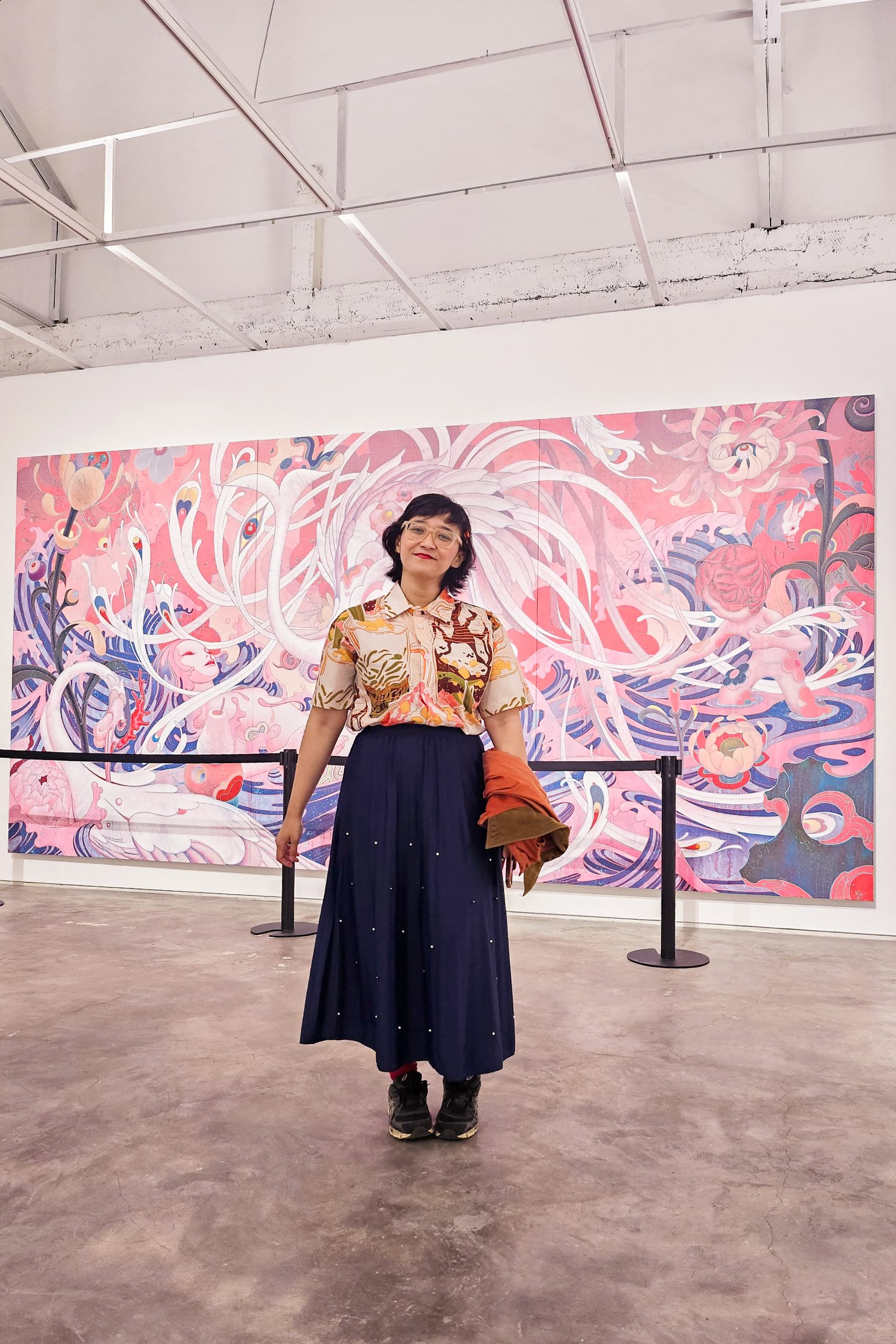
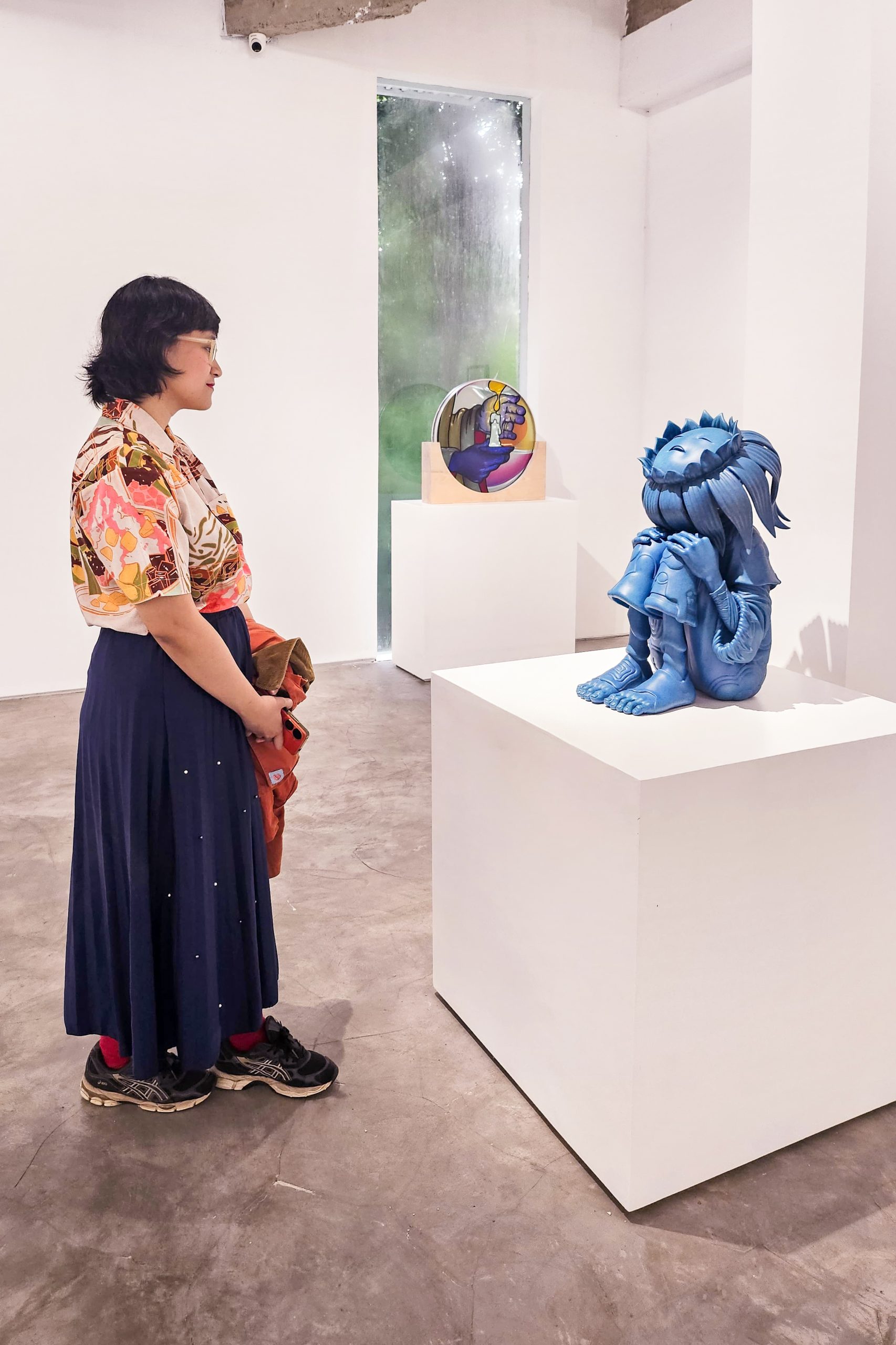
Wabi Sabi ID shirt (gifted) | swapped skirt | Bobo Tokyo jacket (defect sale) | ASICS GEL-NYC™ sneakers |
photos of me by Akita

Wabi Sabi ID shirt (gifted) | swapped skirt | Bobo Tokyo jacket (defect sale) | ASICS GEL-NYC™ sneakers | photos of me by Akita
Notable Pieces by the Artist

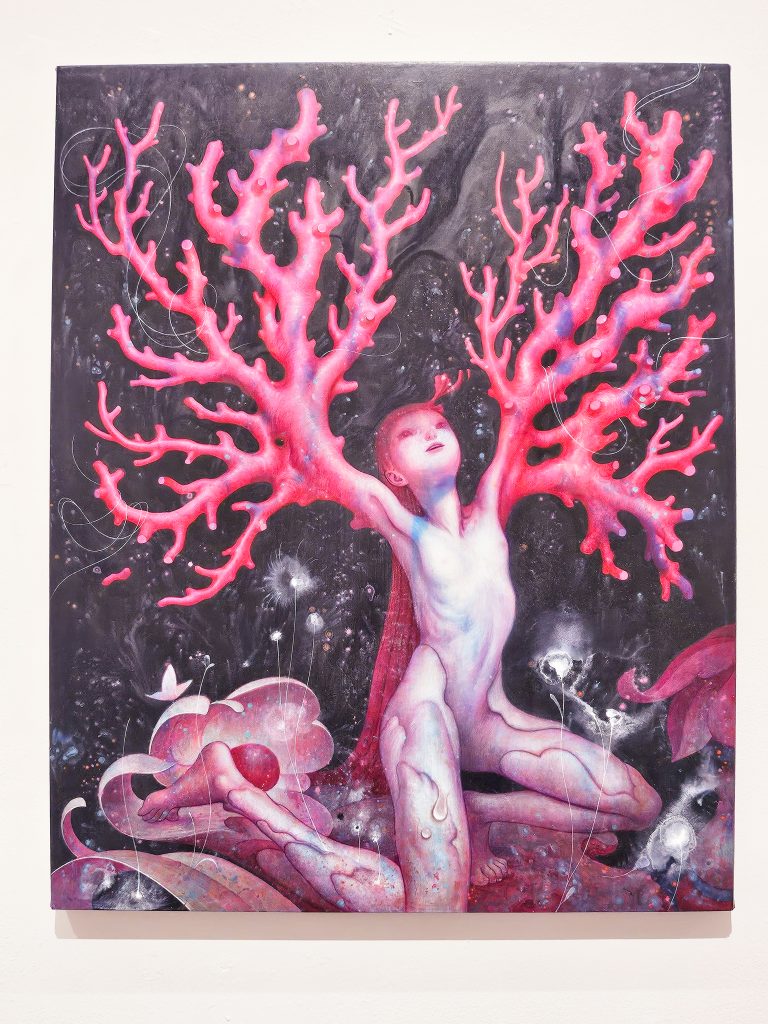
This painting is the poster art for Sintila, as it was painted specifically for this exhibition. Acrylic paint on canvas, this painting is a reimagining of Ovid’s Metamorphoses thorugh an eastern lens. In the classical myth, Daphne escapes the pursuit of Apollo by turning into a laurel tree. In this version, her transformation is induced by the alien landscape. She undergoes a metamorphosis into deep sea coral, her limbs branching into rigid, calcified structures splayed outward like wings. It is a petrified cry for freedom.

The canvas itself isn’t too big, being 36 x 24 inch, but somehow the details are splayed out in full view—you can really see them clearly. The striking magenta on top of the almost pitch-black background is incredibly compelling, especially with wisps of white all around the womanly figure. It’s truly a magnificent sight–and to think I have the postcard version of this piece fills me with joy.

Daphne (2025)

This painting is the poster art for Sintila, as it was painted specifically for this exhibition. Acrylic paint on canvas, this painting is a reimagining of Ovid’s Metamorphoses thorugh an eastern lens. In the classical myth, Daphne escapes the pursuit of Apollo by turning into a laurel tree. In this version, her transformation is induced by the alien landscape. She undergoes a metamorphosis into deep sea coral, her limbs branching into rigid, calcified structures splayed outward like wings. It is a petrified cry for freedom.

The canvas itself isn’t too big, being 36 x 24 inch, but somehow the details are splayed out in full view—you can really see them clearly. The striking magenta on top of the almost pitch-black background is incredibly compelling, especially with wisps of white all around the womanly figure. It’s truly a magnificent sight–and to think I have the postcard version of this piece fills me with joy.

Daphne (2025)
Traveler (2023)

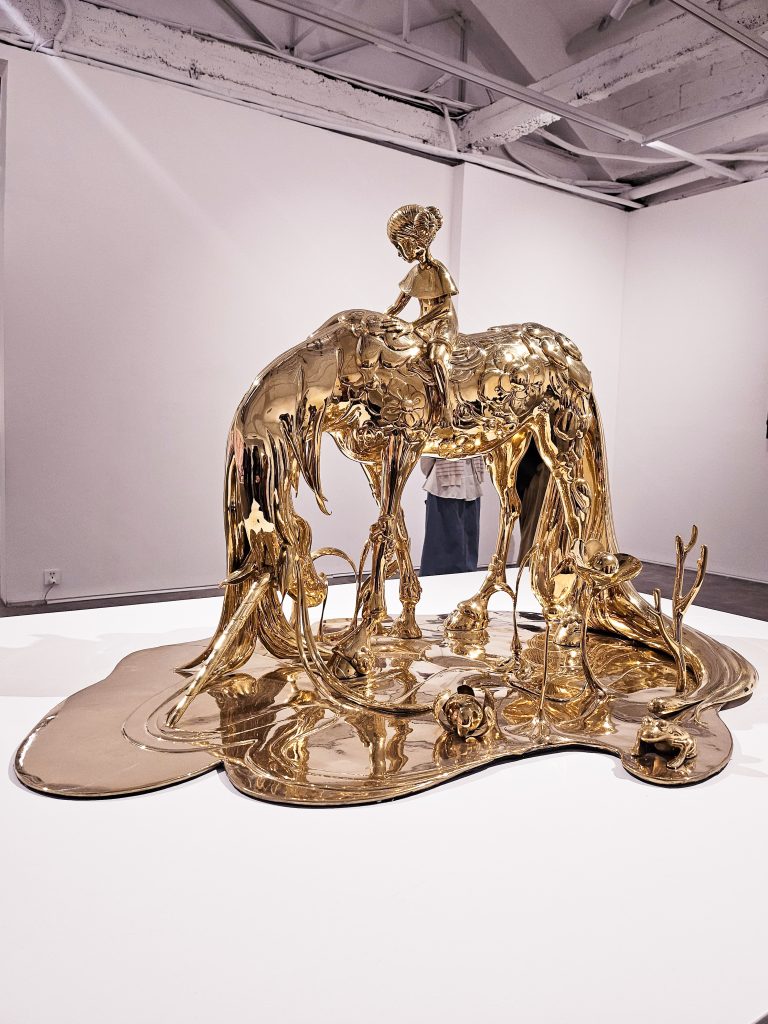
Originating first as a multicoloured painting in 2018, this mirror-polished bronze statue takes center stage at the exhibition. While its size isn’t necessarily massive (only 60.96 x 66 x 91.44 cm), its position right in front of Adrift III, smack dab in the middle of the room makes it easily the first thing you see when you enter the exhibition area—its golden sheen is simply hard to miss.

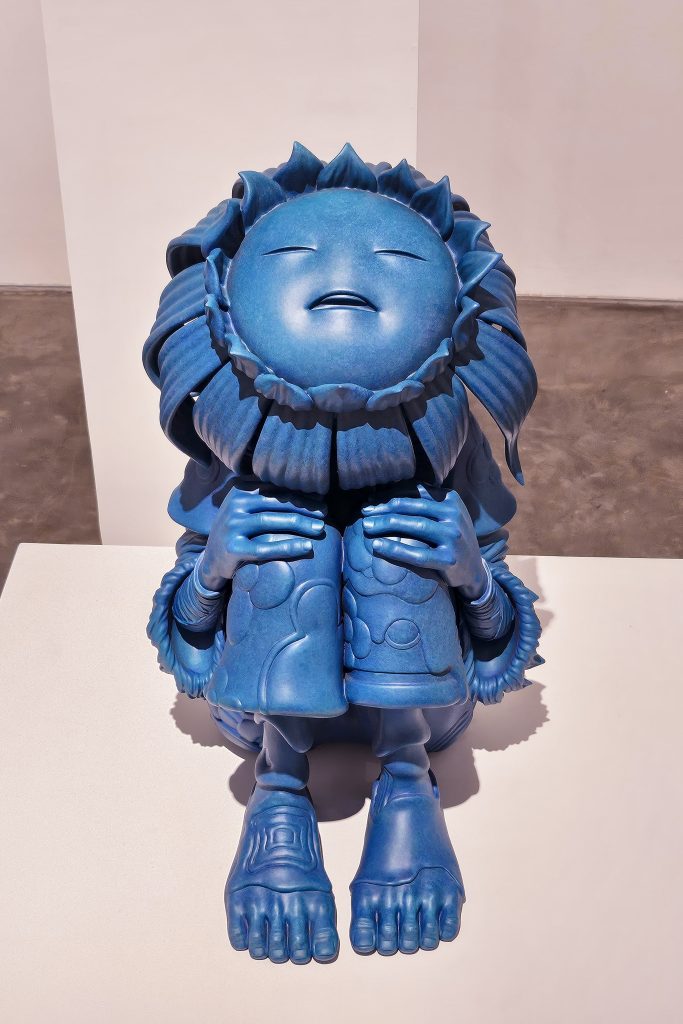
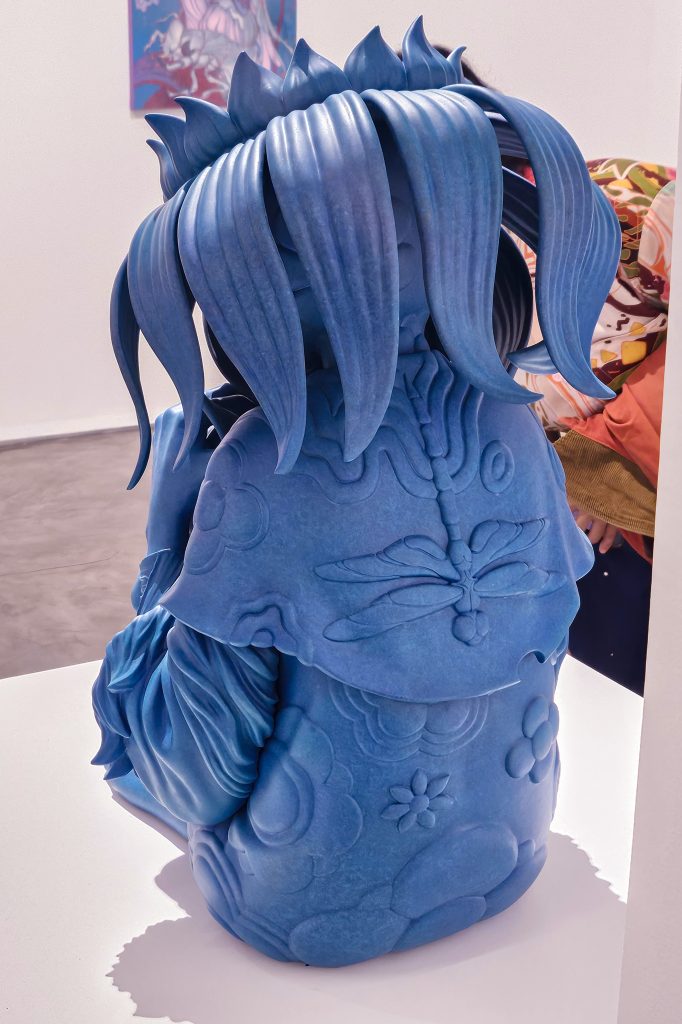
There’s not much information to be had about the work itself, not even its painting counterpart. However, I personally find the statue version far more liquid than the painting, seeing as every element about the statue ends in a giant puddle under the horse and girl. That makes the storytelling of the statue version far more powerful than the painting. Often that is the case with James Jean’s statues: details that the painting simply cannot capture surfaces into light in 3D—especially with the Sunflower statue below.

Traveler (2023)

Originating first as a multicoloured painting in 2018, this mirror-polished bronze statue takes center stage at the exhibition. While its size isn’t necessarily massive (only 60.96 x 66 x 91.44 cm), its position right in front of Adrift III, smack dab in the middle of the room makes it easily the first thing you see when you enter the exhibition area—its golden sheen is simply hard to miss.

There’s not much information to be had about the work itself, not even its painting counterpart. However, I personally find the statue version far more liquid than the painting, seeing as every element about the statue ends in a giant puddle under the horse and girl. That makes the storytelling of the statue version far more powerful than the painting. Often that is the case with James Jean’s statues: details that the painting simply cannot capture surfaces into light in 3D—especially with the Sunflower statue below.

Sunflower (2024), front side
Sunflower (2024), back side
Sunflower (2024), front side
Sunflower (2024), back side

The Wonders of Storytelling

There are a lot of things to be admired about James Jean’s work. For me, personally, his unique storytelling ability is truly inspiring. He packs in such intricate details in a painting that you may not be able to capture them all at first glance. And then, around the pandemic era, he started to re-explore his earlier works through alternative materials to bring it to life in three-dimensional format, opening our eyes to even more details that might’ve missed from the paintings. This just proves that James Jean’s art is not merely a sight to behold, but also an entire experience—expanding from the paintings, to statues, to other formats we have yet to think about.
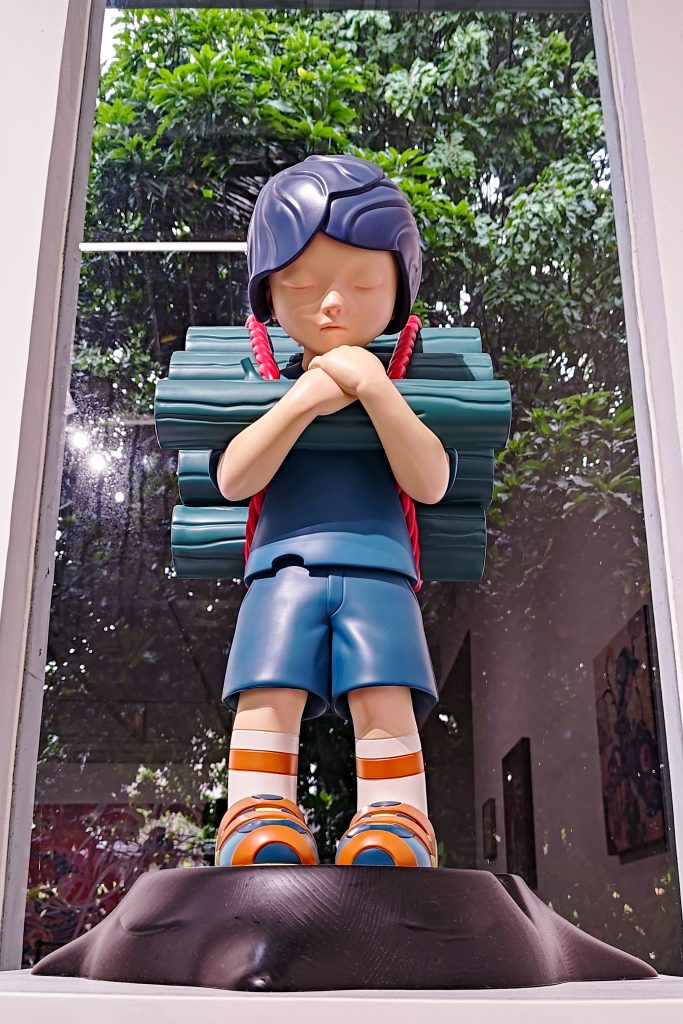
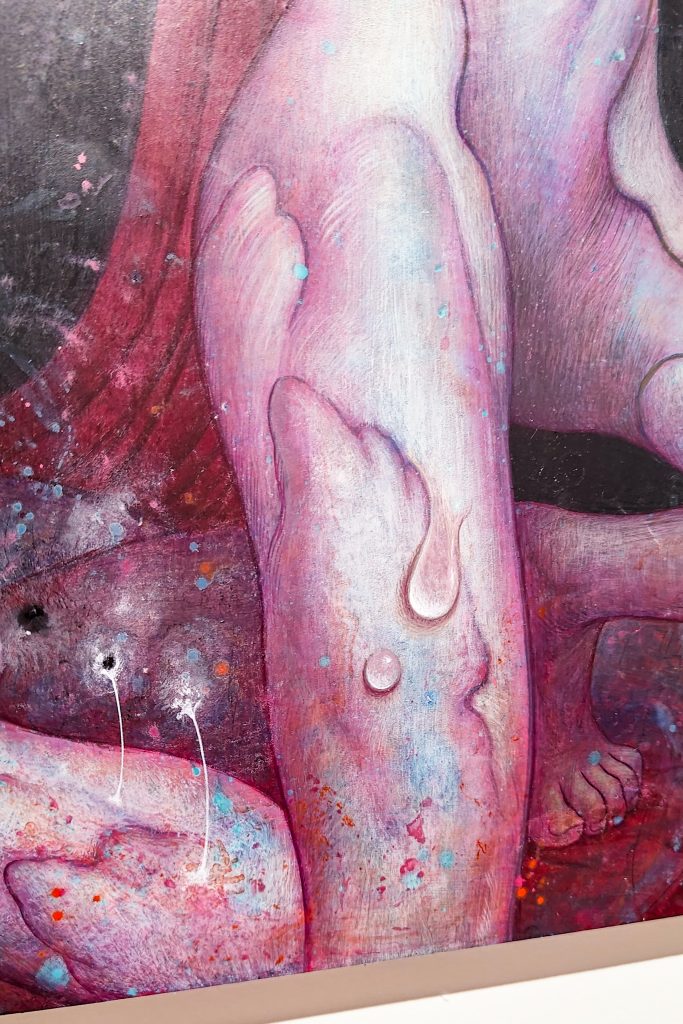
There are a lot of things to be admired about James Jean’s work. For me, personally, his unique storytelling ability is truly inspiring. He packs in such intricate details in a painting that you may not be able to capture them all at first glance. And then, around the pandemic era, he started to re-explore his earlier works through alternative materials to bring it to life in three-dimensional format, opening our eyes to even more details that might’ve missed from the paintings. This just proves that James Jean’s art is not merely a sight to behold, but also an entire experience—expanding from the paintings, to statues, to other formats we have yet to think about.
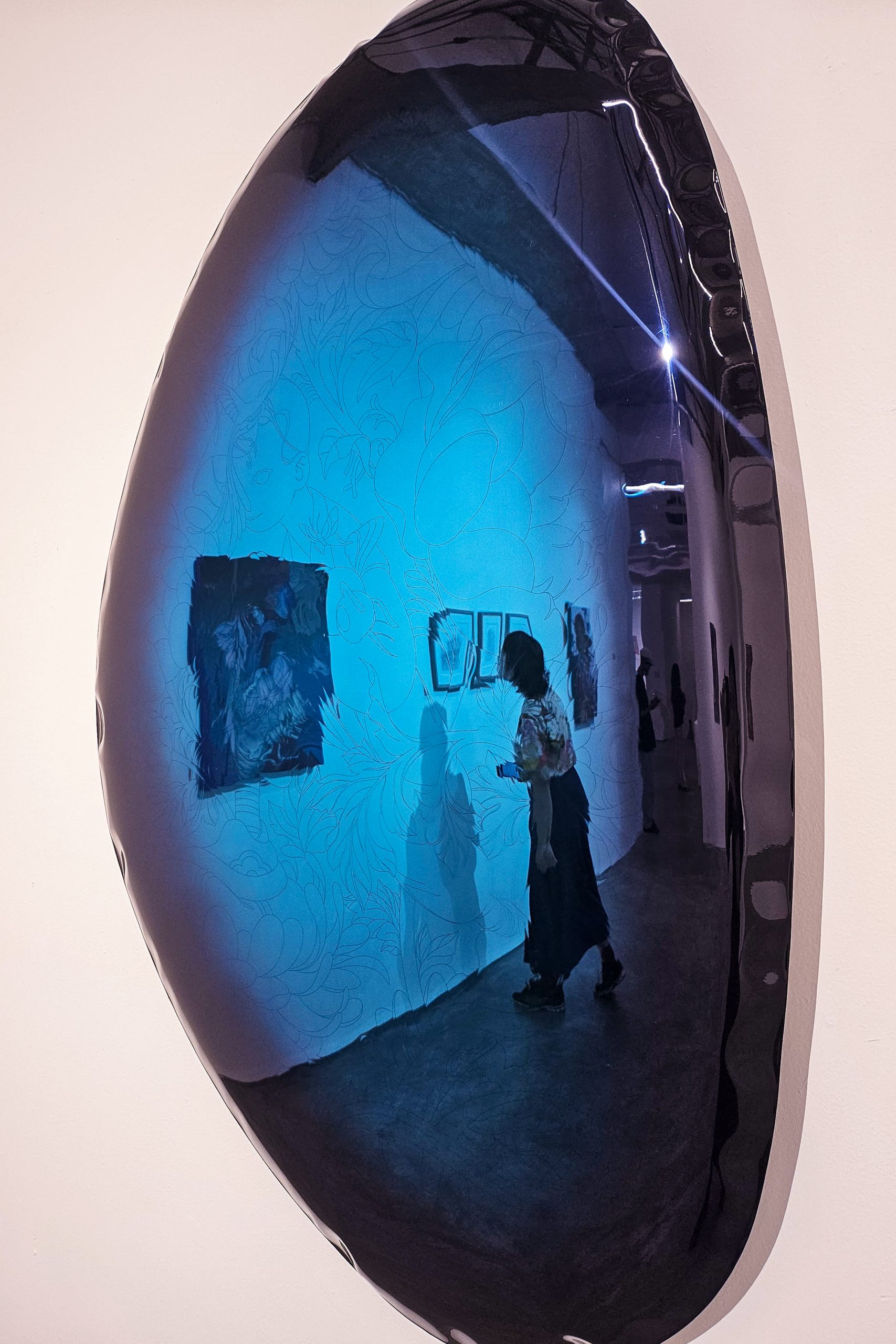
Sintila Exhibition is available until 16 May 2026, remember to RSVP here before visiting.
You can also watch my vlog below to see my experience meeting James Jean.

thanks for reading

Sintila Exhibition is available until 16 May 2026, remember to RSVP here before visiting. You can also watch my vlog below to see my experience meeting James Jean.

thanks for reading