
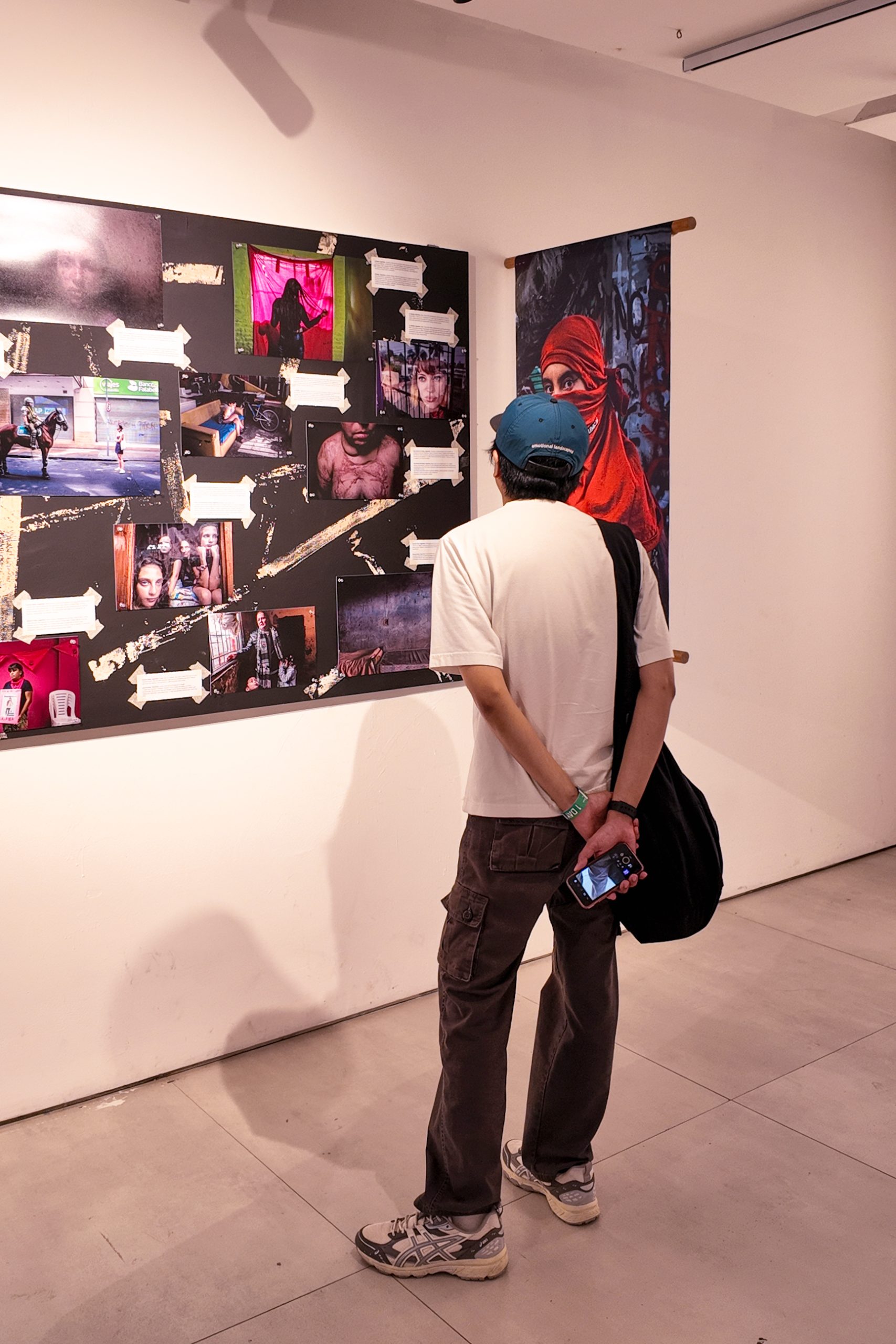
Oh wow, I don’t really know what happened after August, but blogging has been super slow this past couple months, huh? Case in point—the photos in this post were taken in mid-September—we’ve even had a whole ‘photoshoot’ after this—but I thought it would be a complete waste to not post about this day, since we had such a good time. Back in September, Mapa and I went to our first exhibition date—we went to JIPFEST 2026. I don’t think I’ve ever been before, but Mapa seemed pretty excited, and away we went. The exhibition is held at Taman Ismail Marzuki in Cikini, an area of the city we’ve never ventured to together before, so we decided to take the MRT and then the bus here. It was our first bus experience together—so fun! Well, I guess everything is fun when we do it together.
Oh wow, I don’t really know what happened after August, but blogging has been super slow this past couple months, huh? Case in point—the photos in this post were taken in mid-September—we’ve even had a whole ‘photoshoot’ after this—but I thought it would be a complete waste to not post about this day, since we had such a good time. Back in September, Mapa and I went to our first exhibition date—we went to JIPFEST 2026. I don’t think I’ve ever been before, but Mapa seemed pretty excited, and away we went. The exhibition is held at Taman Ismail Marzuki in Cikini, an area of the city we’ve never ventured to together before, so we decided to take the MRT and then the bus here. It was our first bus experience together—so fun! Well, I guess everything is fun when we do it together.
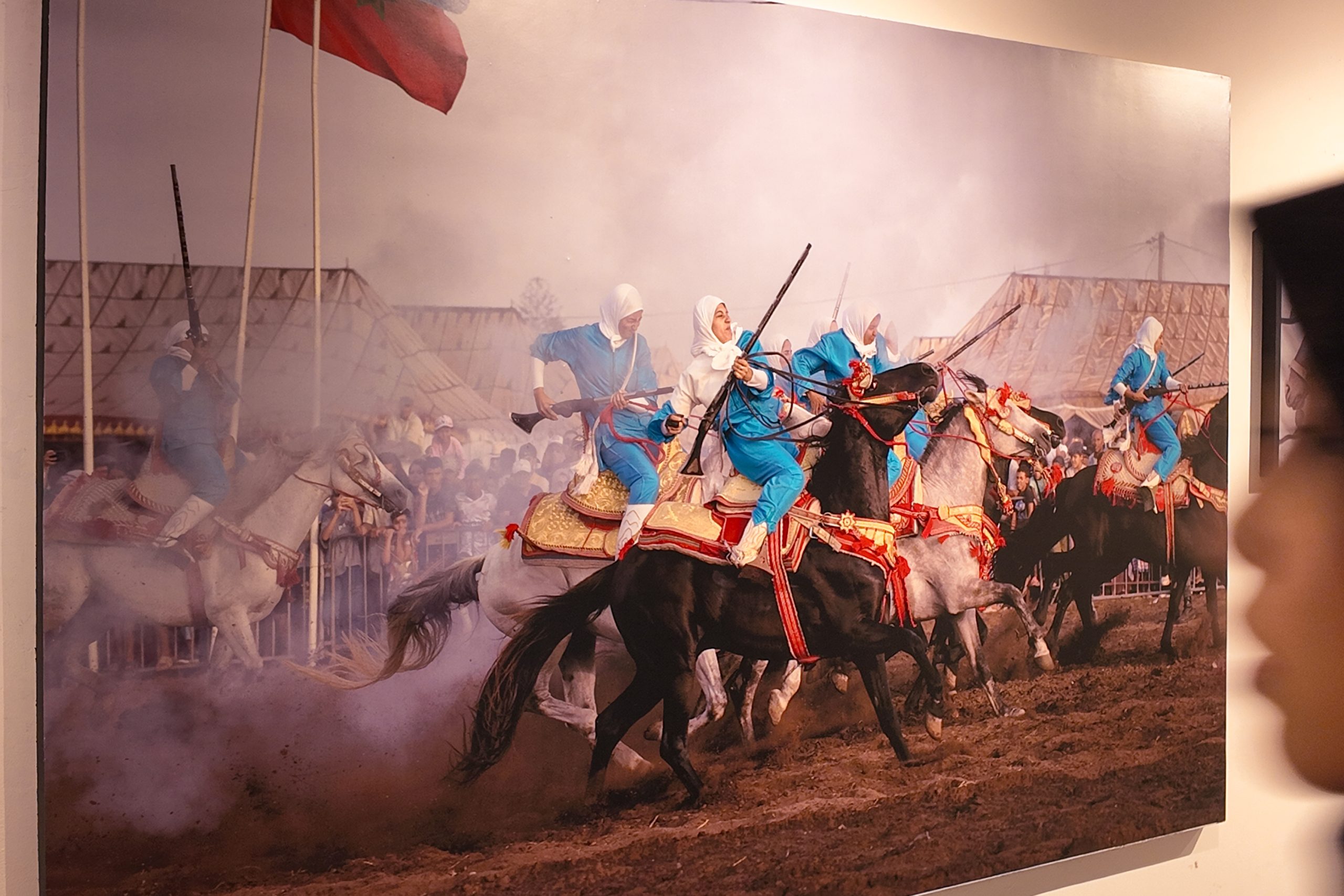
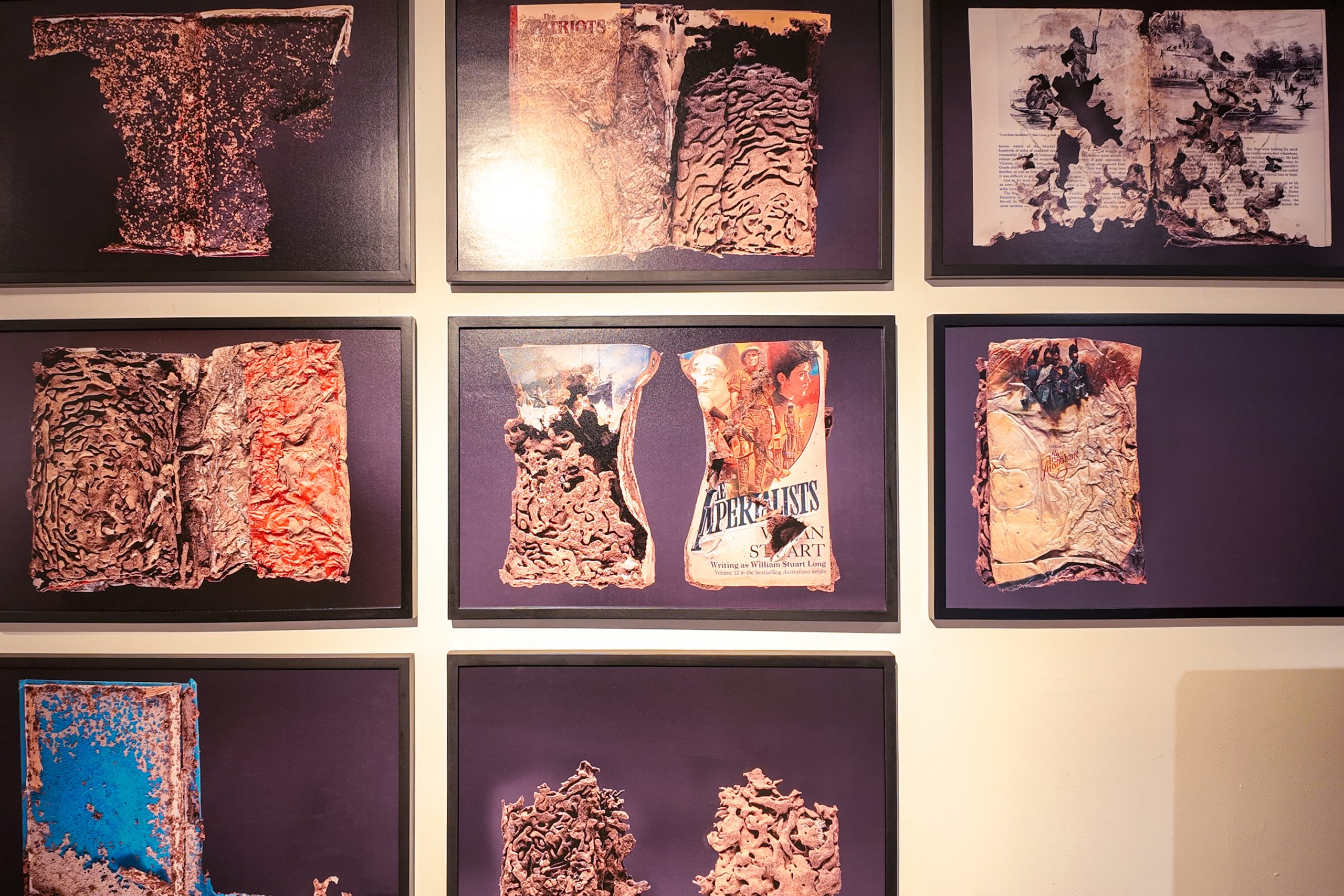
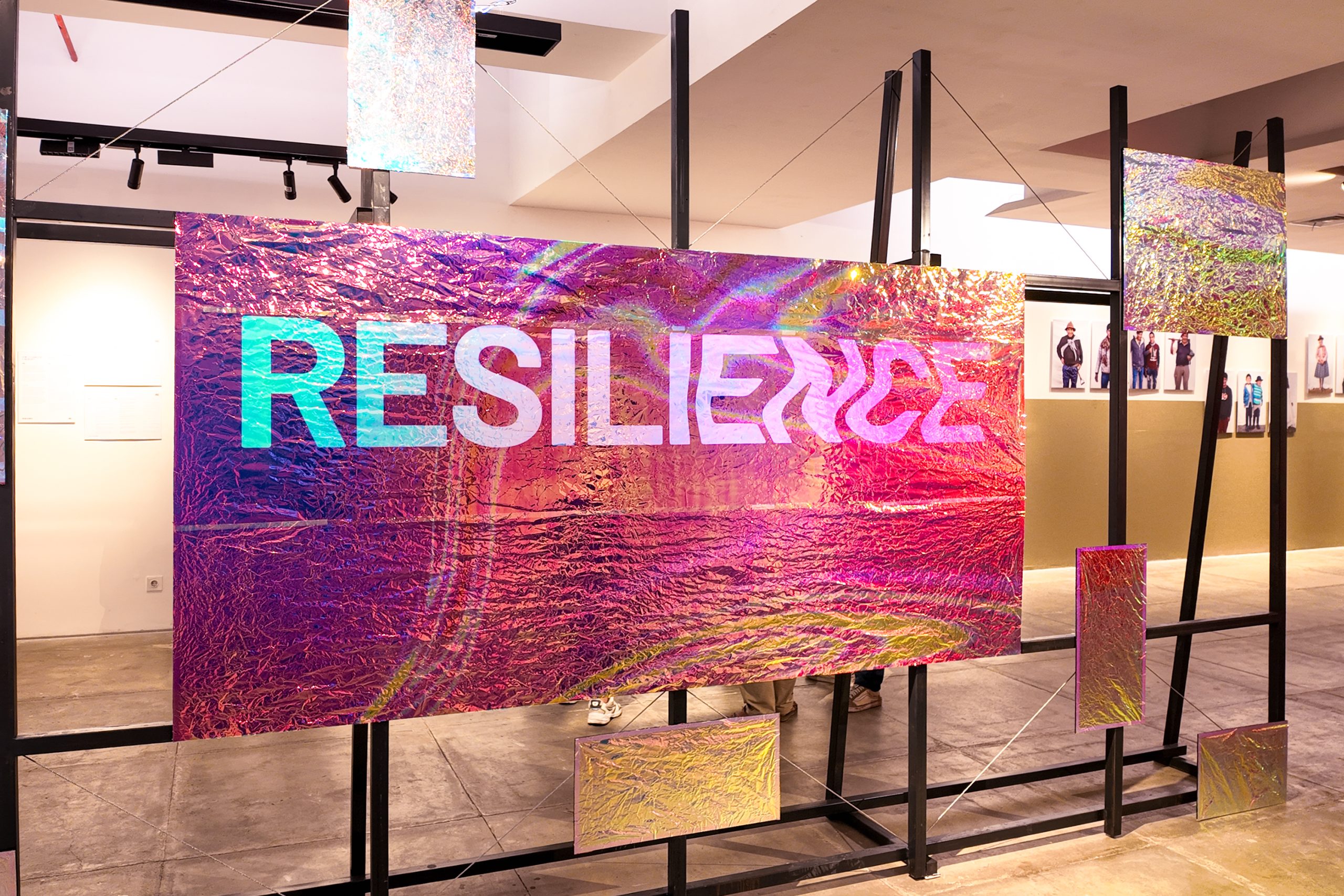
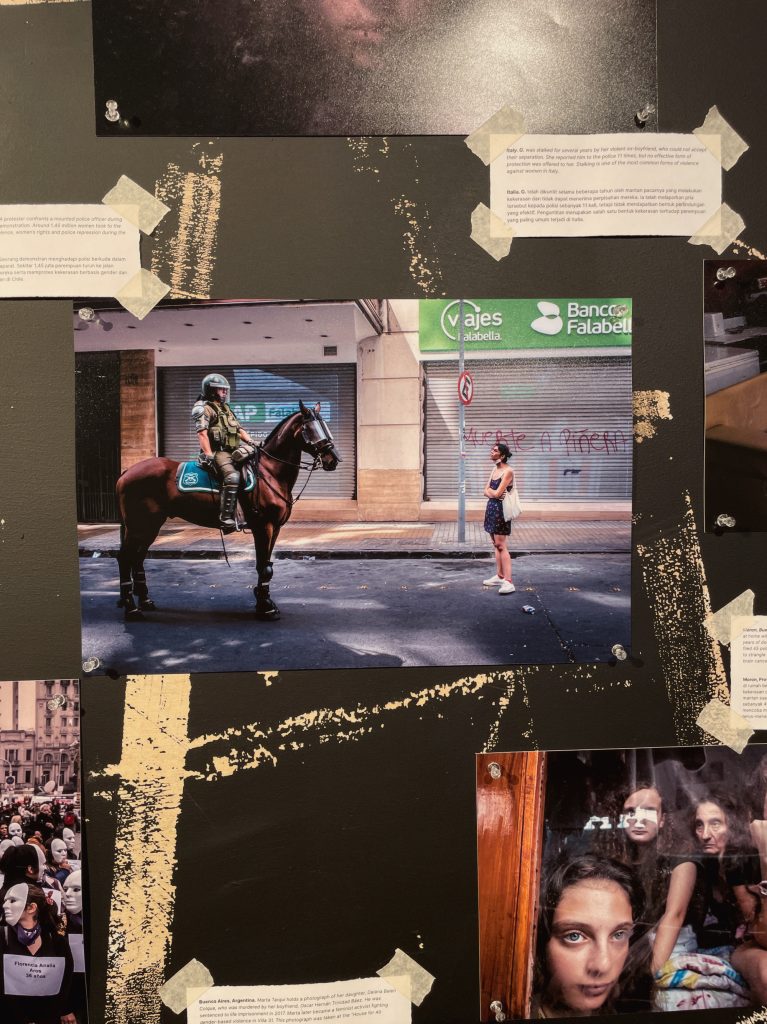
This year’s festival theme is Resilience. According to their official website, this is what it means:
Resilience offers the chance to consider our collective histories and celebrate solidarities, bringing together stories of endurance and survival, and gestures of restoration and regeneration. From environmental disasters to political revolution, from triumphs of the past to the challenges of the future, Resilience speaks to the tenacity of the human spirit and its ability to overcome adversity. It also embraces myths, values and visions that resonate across generations and continue to shape our identities and ways of being. In resilience, we find the means to adapt and the capacity to flourish; the will to resist oppression and the desire to dream.
I personally feel this theme is suitable for the political climate we are having universally this year. It resonates with the unbreakable human spirit to keep on going and fighting for what we believe is right and know we deserve. Seeing the chosen works, as culturally and temporally diverse as they are, somehow my heart stirs with the desire to not give up—because we all deserve better as human beings, collectively.
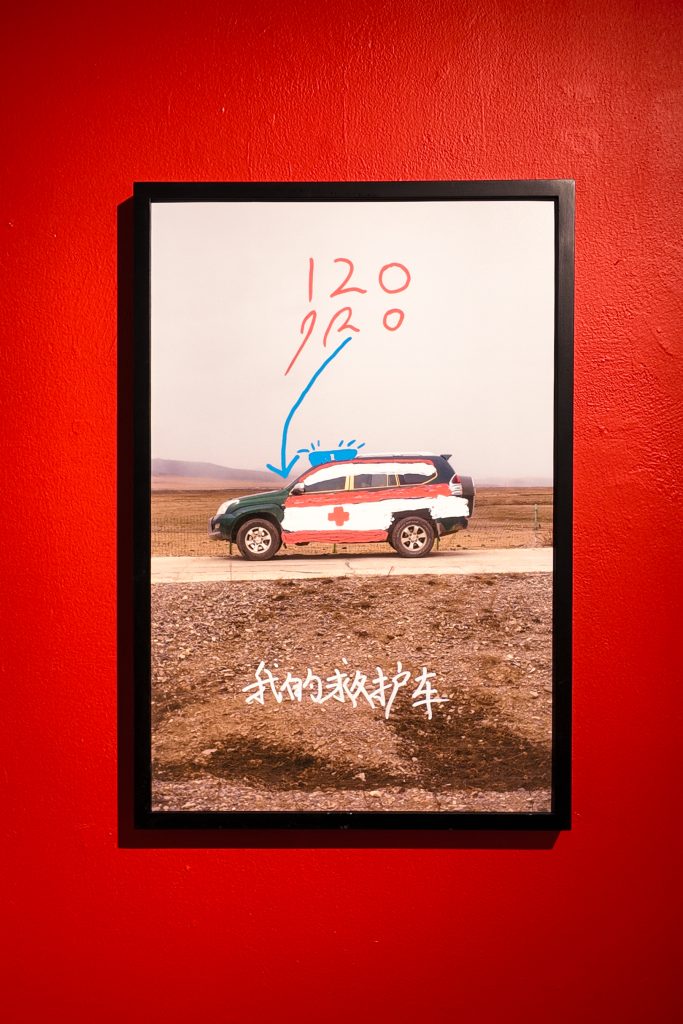
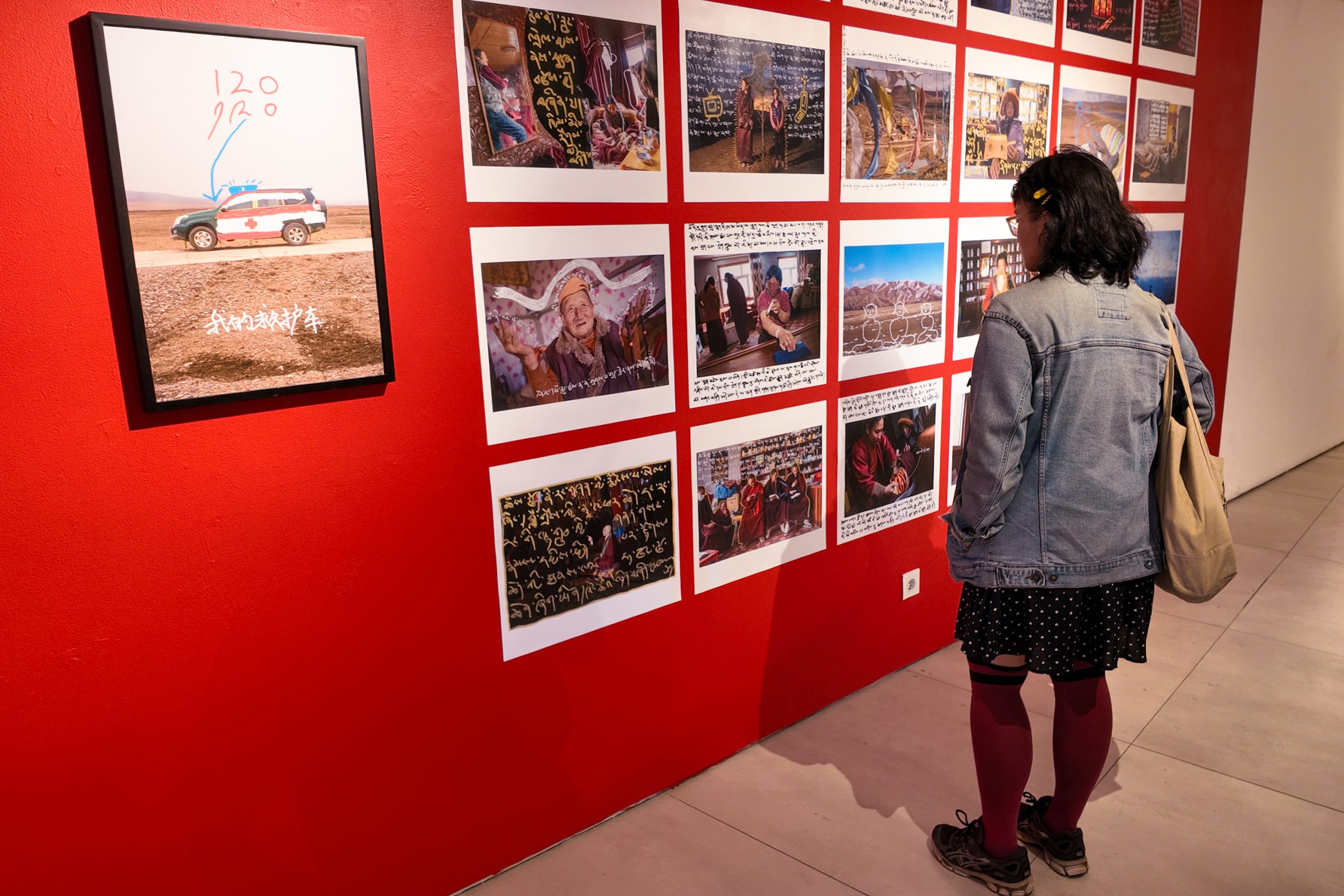
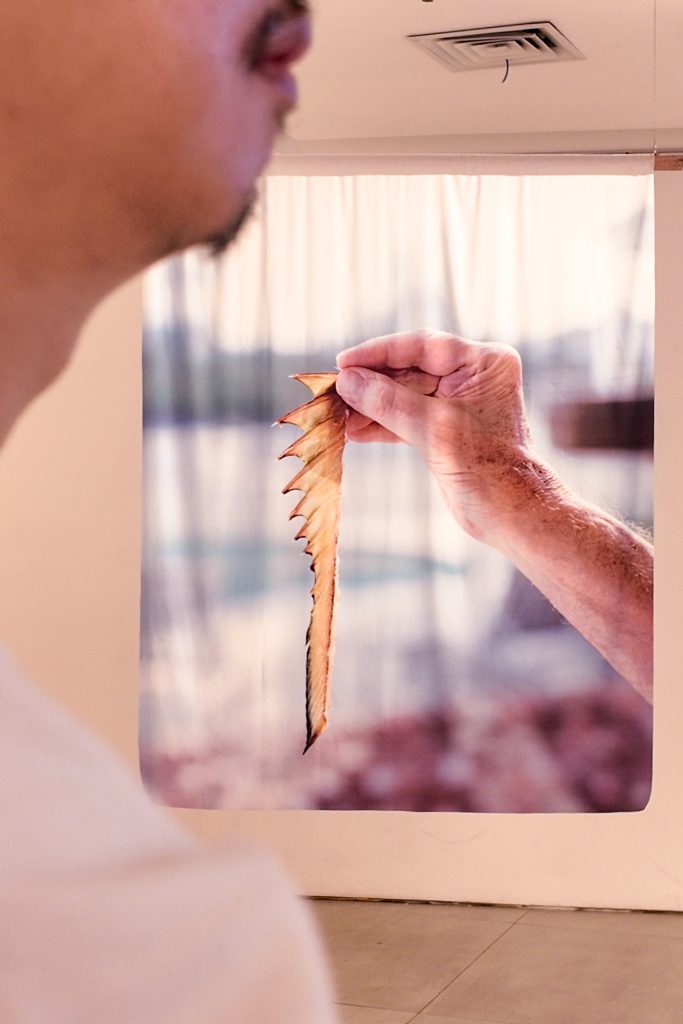
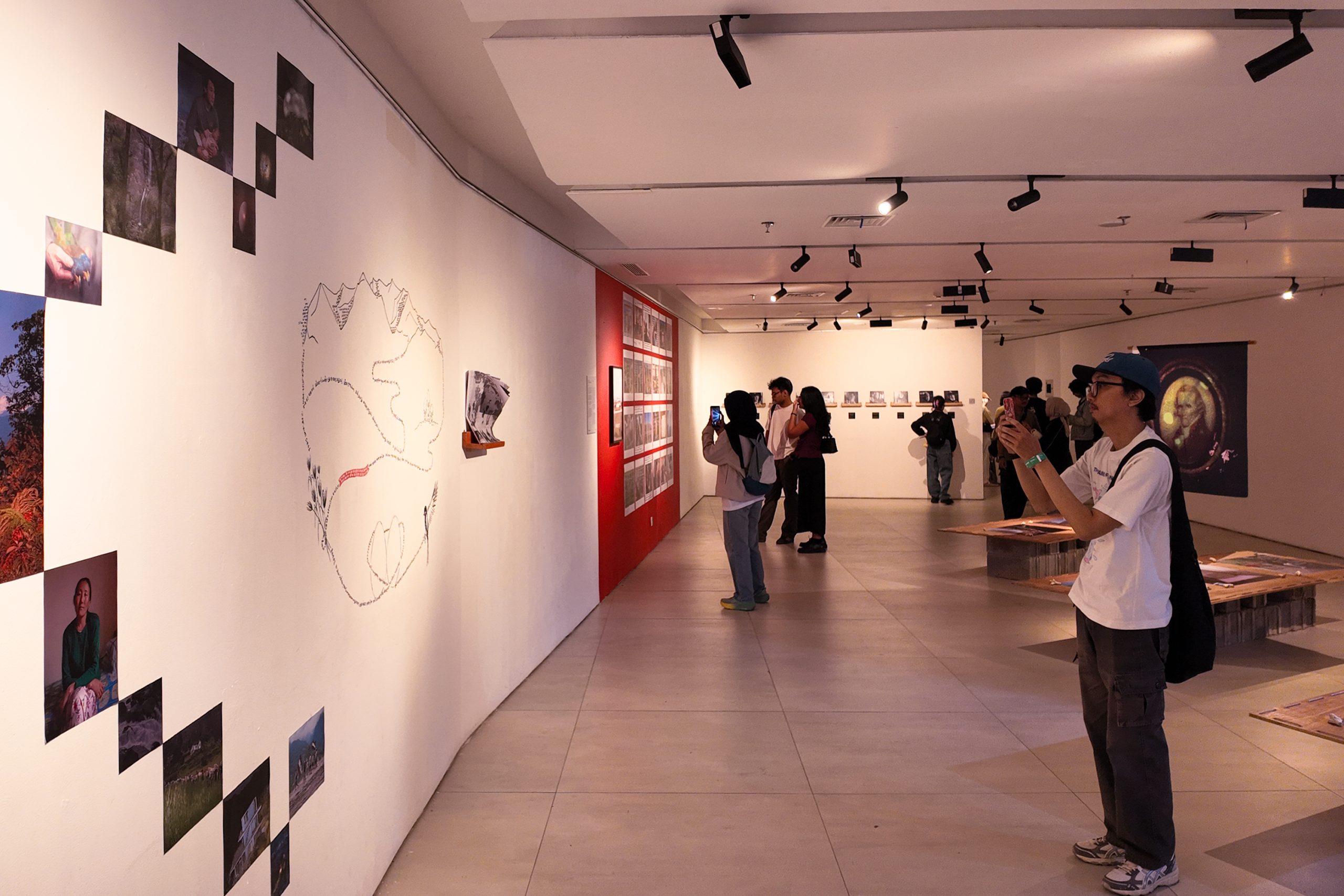
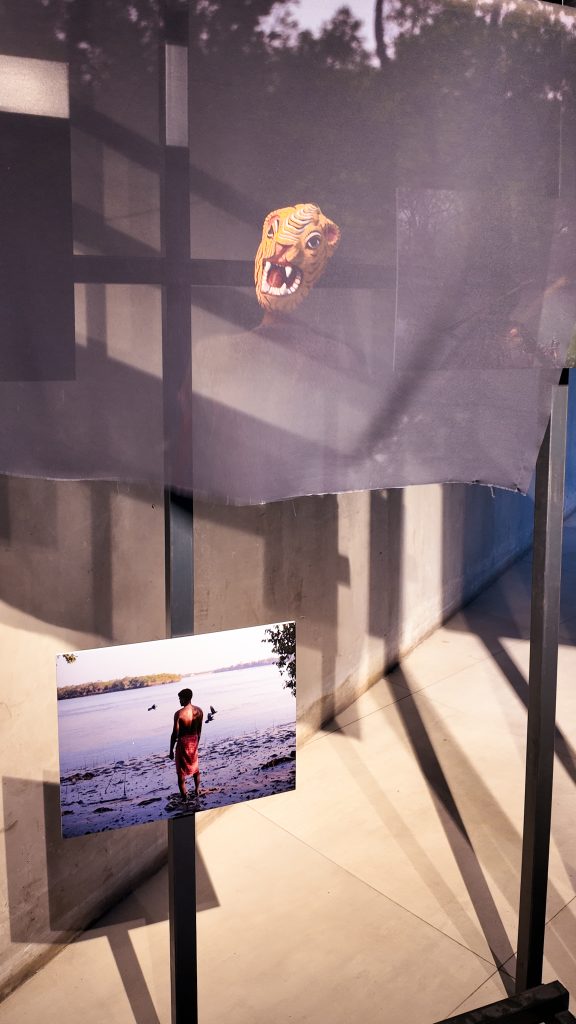
One of my favourite projects is the photography series Tibetan Country Doctor by Jake Homovich, which gives us a glimpse of what life is like in Tibet where there is only one doctor who lives among the mountains, while the nearest hospital is 5 hours away. Not only does the story reveal so much about a lesser known part of the world, but the visual treatment of the photographs add such a playful element to an otherwise really serious topic. I feel like it really represents the spirit of the Tibetans as this carefree people. I love seeing the Tibetan writing and doodles as well, as they bring imagination to life—especially the photo of the ‘ambulance’ as you can see above.
One of my favourite projects is the photography series Tibetan Country Doctor by Jake Homovich, which gives us a glimpse of what life is like in Tibet where there is only one doctor who lives among the mountains, while the nearest hospital is 5 hours away. Not only does the story reveal so much about a lesser known part of the world, but the visual treatment of the photographs add such a playful element to an otherwise really serious topic. I feel like it really represents the spirit of the Tibetans as this carefree people. I love seeing the Tibetan writing and doodles as well, as they bring imagination to life—especially the photo of the ‘ambulance’ as you can see above.
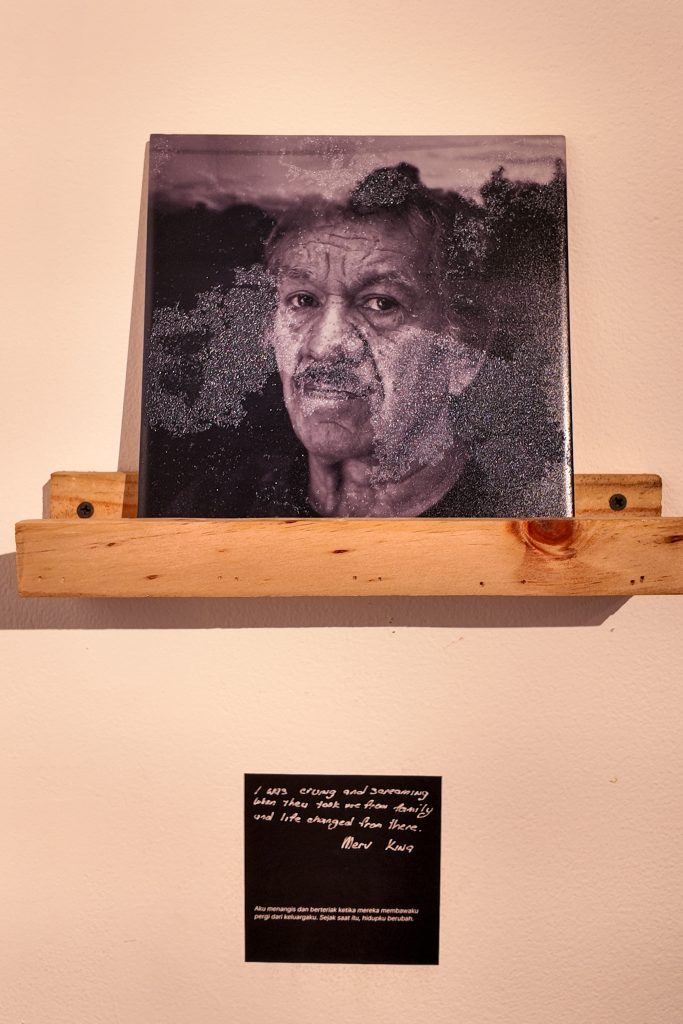
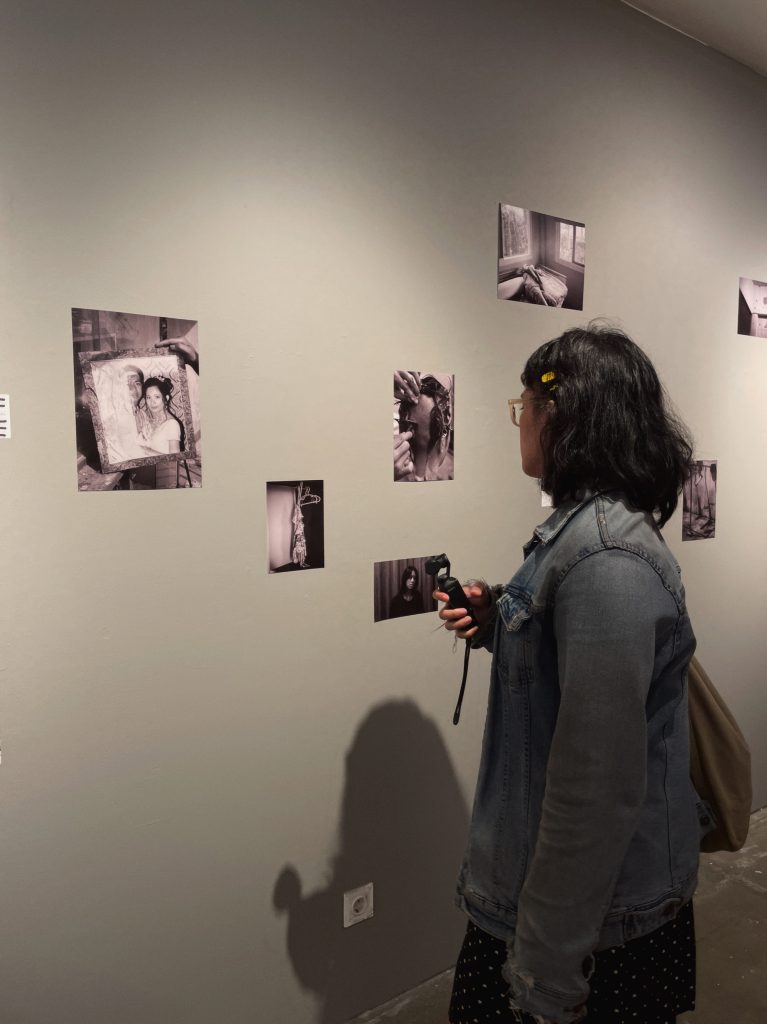
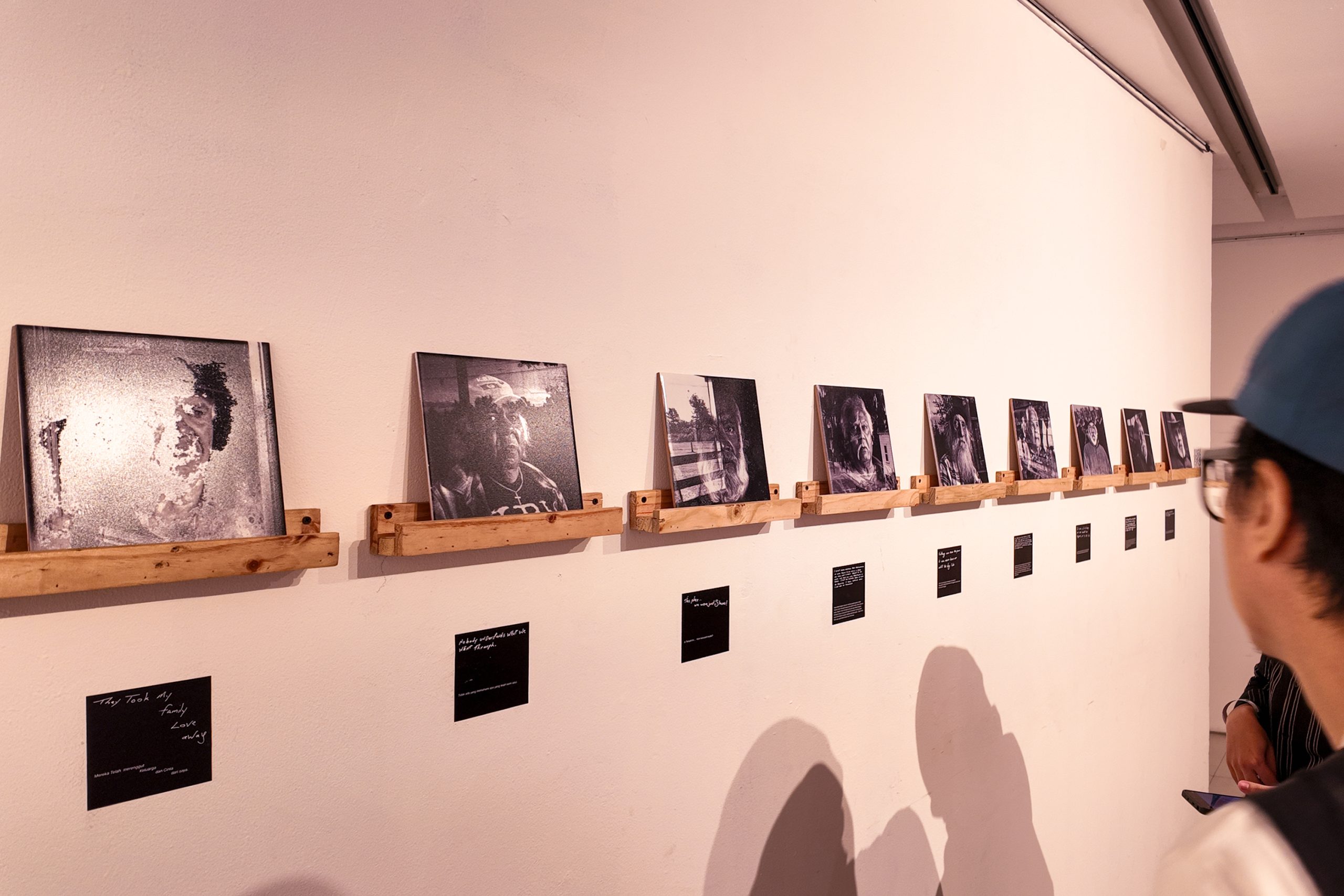
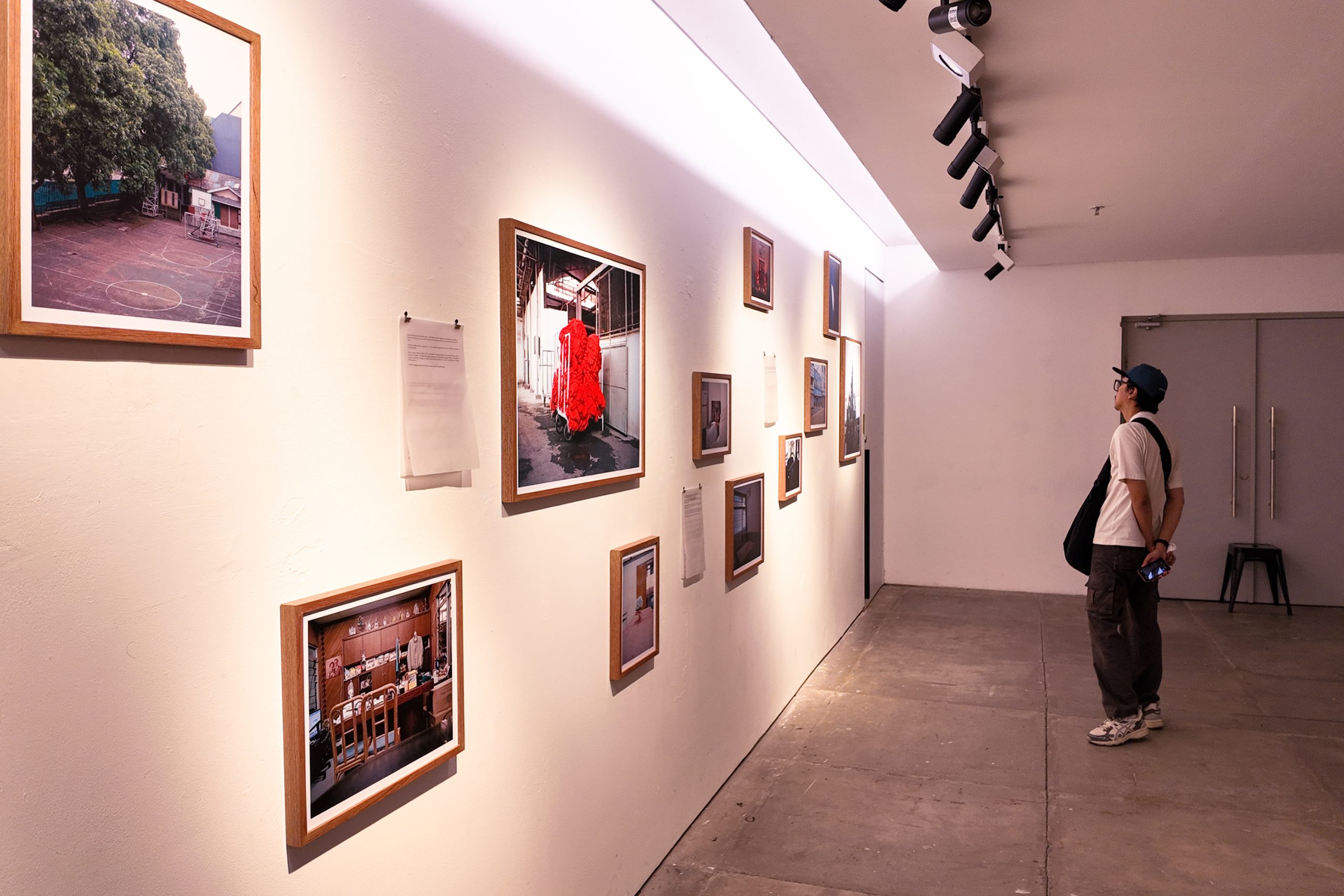
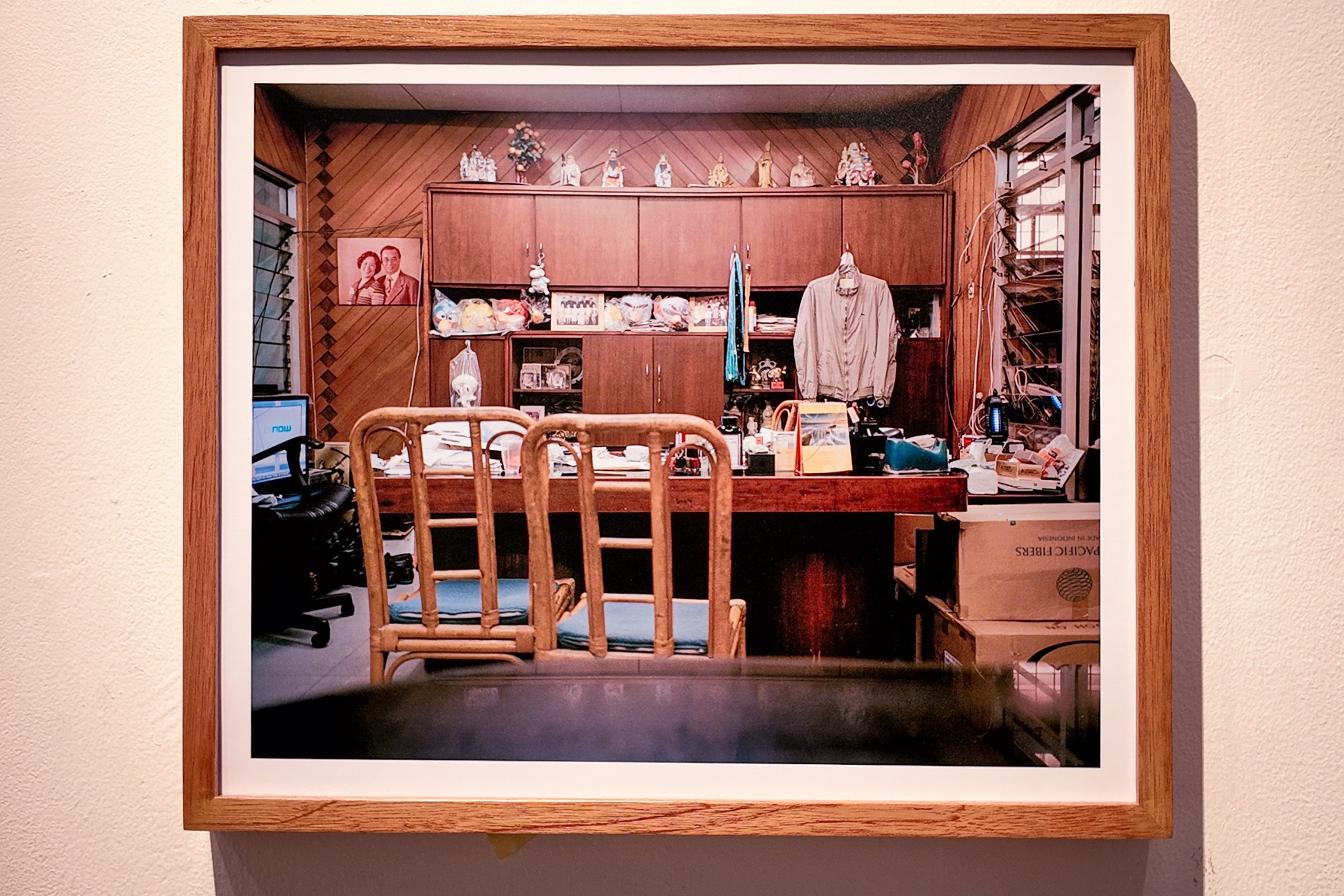
Other than the main exhibition, there were 2 more rooms we could explore. The second room is called It All Begins at Home Exhibition, featuring photography and multimedia projects that rein it back to our most personal space—the home. As can be expected, a lot of the photographs feature snippets of homes, whether the photographer’s or someone they know or simply their photo subjects. However, what I find interesting is how wildly different one home can look from the next.
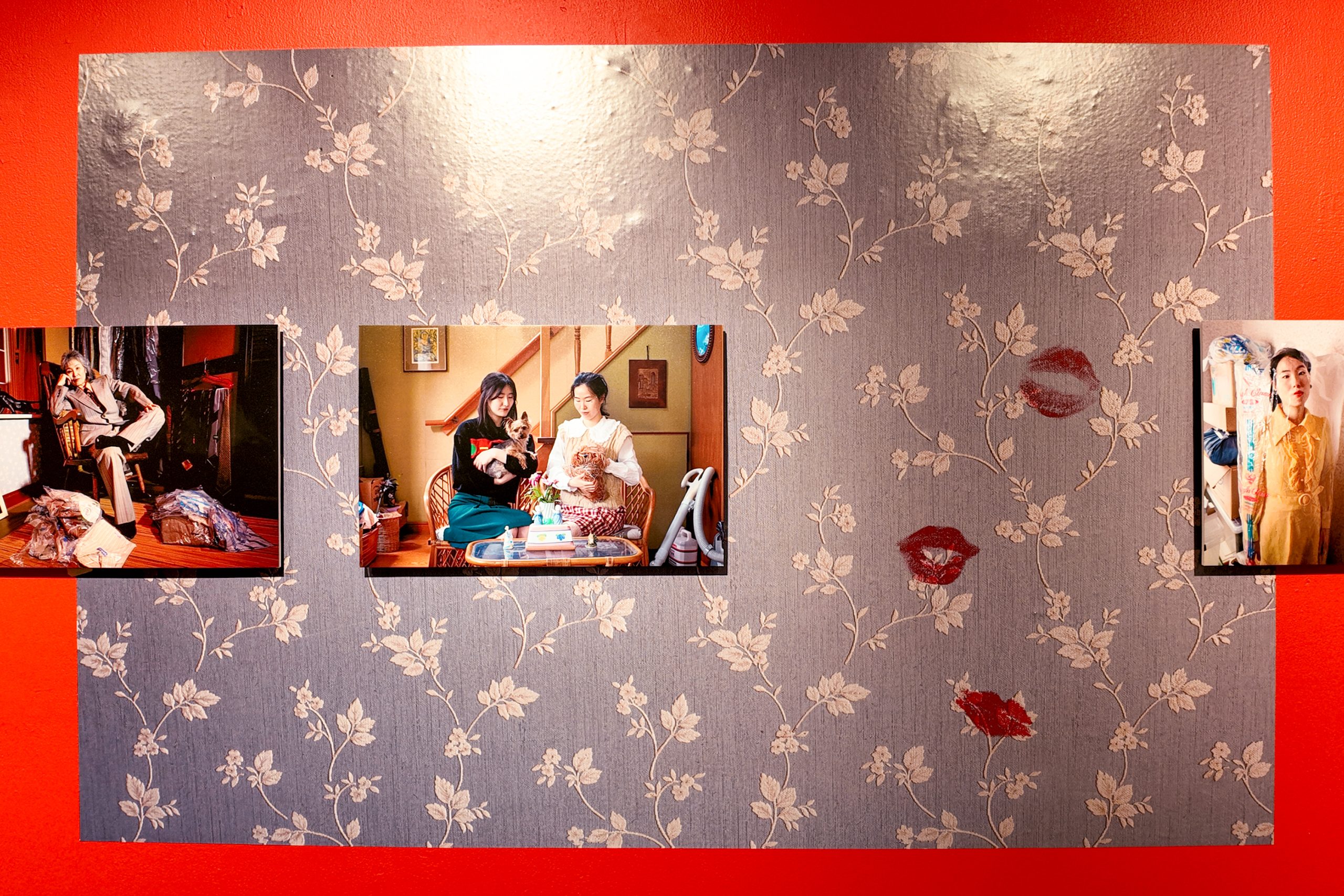
There were even two exhibits that seem to represent opposite ends of the spectrum being displayed side by side, creating such a stark contrast that put me at awe. Bye Bye Home Sweet Home by Yuki Furusawa documents the sorting and packing of her grandmother’s belongings leading up to the demolition of her home, turning it into a family event of sorts. The photographs feel bittersweet, but still with warmth oozing through. Meanwhile, next to it hangs Natthaya Thaidecha’s May the Matter Rest, which depicts the despair children face as they discovered their mother’s complicated financial activities in the wake of her passing. Taken in black and white, the photographs speak of abandonment and misery. Talk about two sides of the same coin.
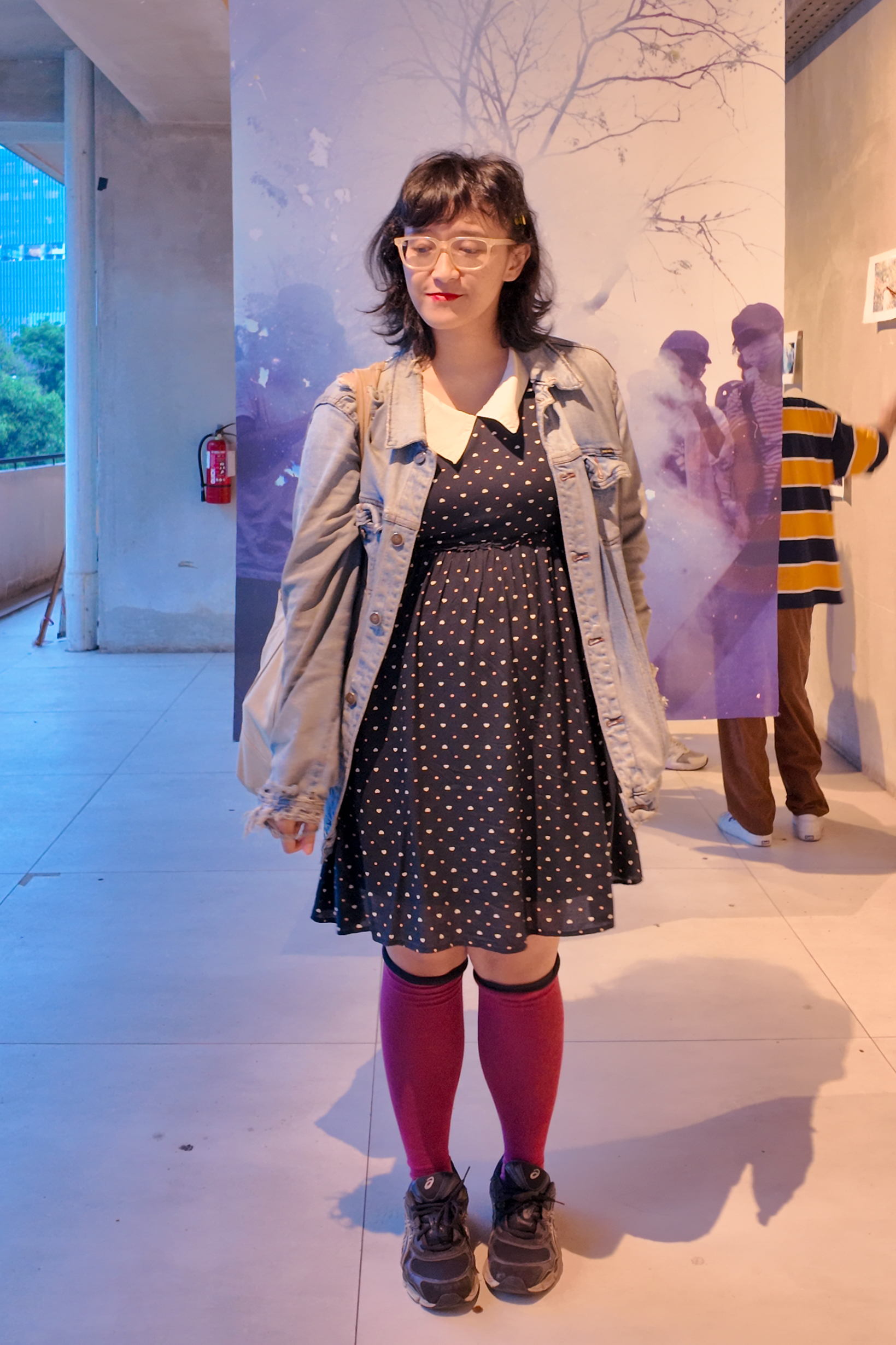
Thrifted dress | hand-me-down jacket | PACU TUKU tote bag | ASICS GEL-NYC™ sneakers |
photos of me by Mapa
Other than the main exhibition, there were 2 more rooms we could explore. The second room is called It All Begins at Home Exhibition, featuring photography and multimedia projects that rein it back to our most personal space—the home. As can be expected, a lot of the photographs feature snippets of homes, whether the photographer’s or someone they know or simply their photo subjects. However, what I find interesting is how wildly different one home can look from the next.
There were even two exhibits that seem to represent opposite ends of the spectrum being displayed side by side, creating such a stark contrast that put me at awe. Bye Bye Home Sweet Home by Yuki Furusawa documents the sorting and packing of her grandmother’s belongings leading up to the demolition of her home, turning it into a family event of sorts. The photographs feel bittersweet, but still with warmth oozing through. Meanwhile, next to it hangs Natthaya Thaidecha’s May the Matter Rest, which depicts the despair children face as they discovered their mother’s complicated financial activities in the wake of her passing. Taken in black and white, the photographs speak of abandonment and misery. Talk about two sides of the same coin.
Thrifted dress | hand-me-down jacket | PACU TUKU tote bag | ASICS GEL-NYC™ sneakers | photos of me by Mapa
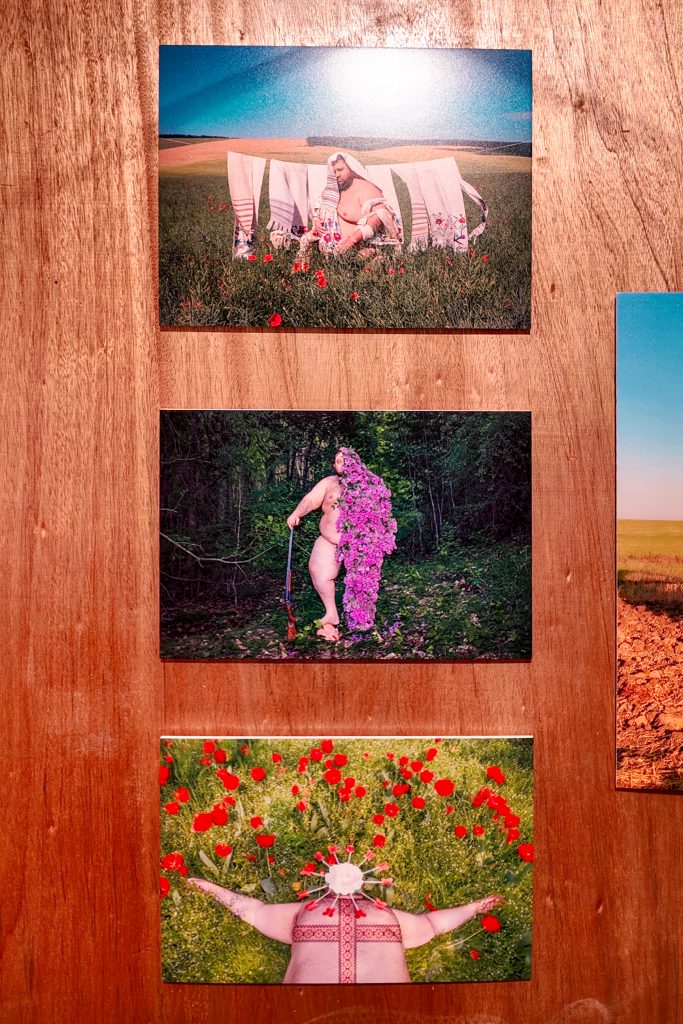
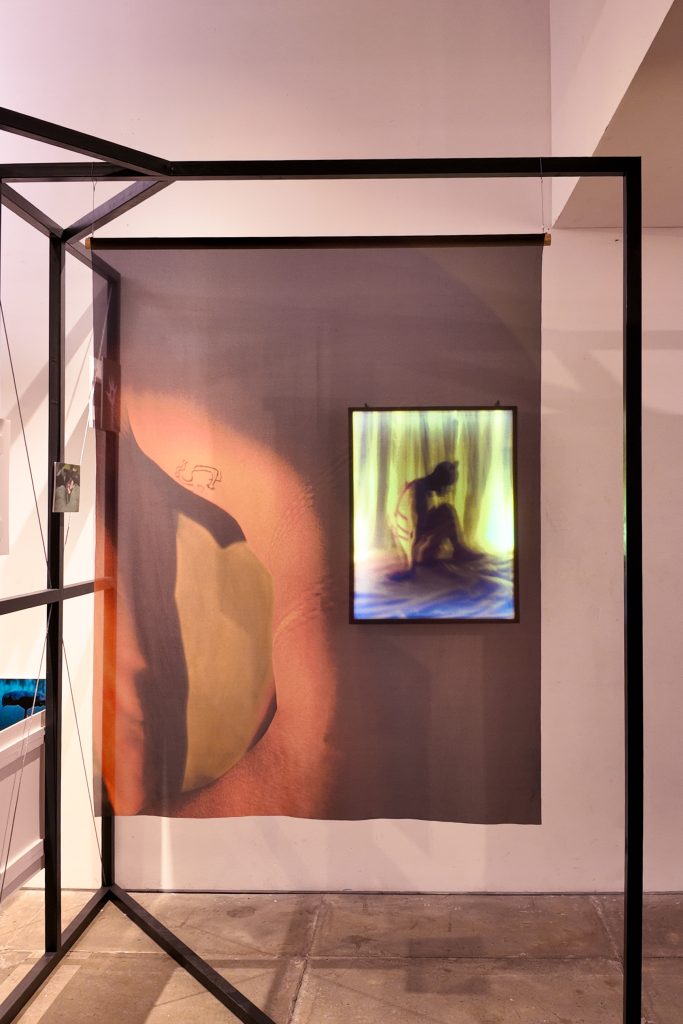
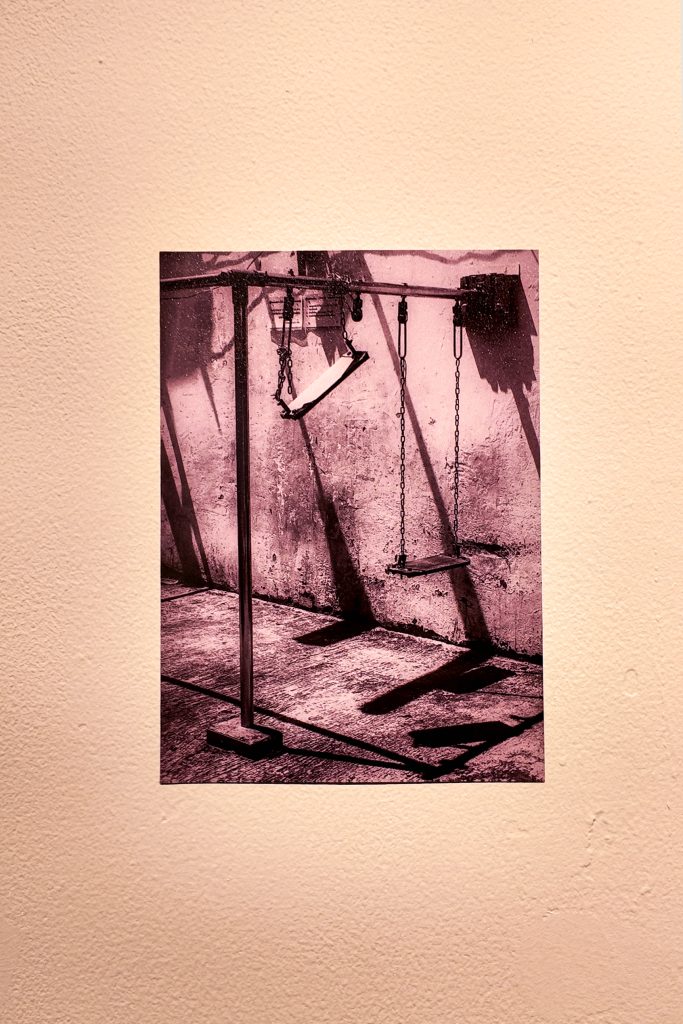
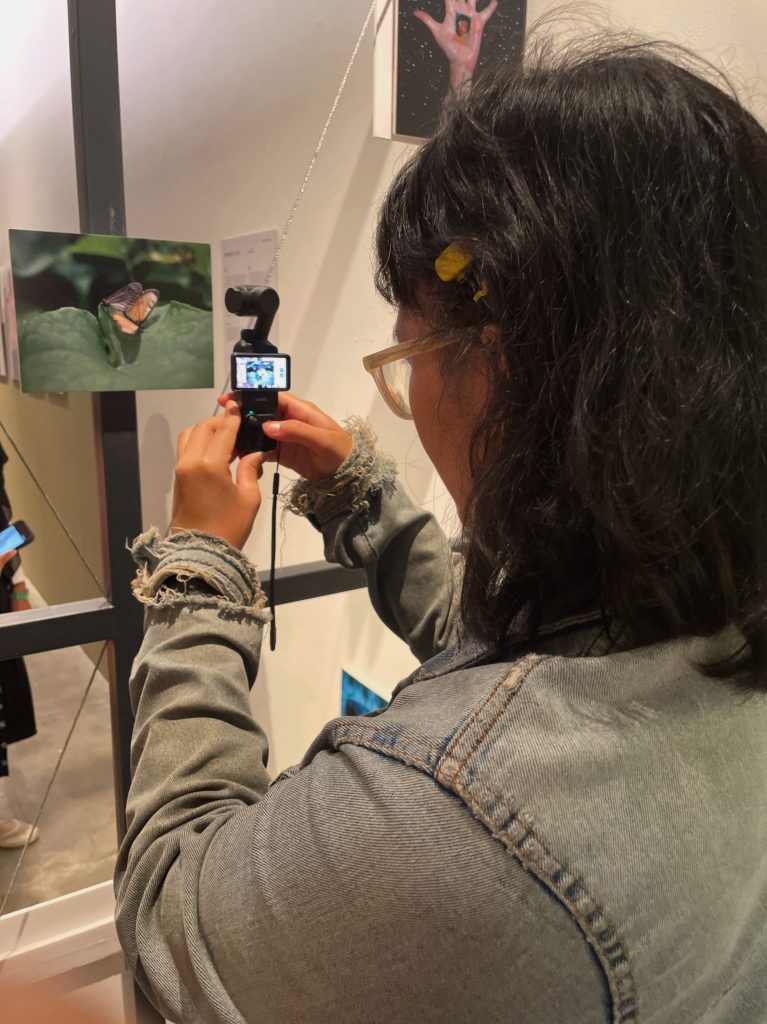
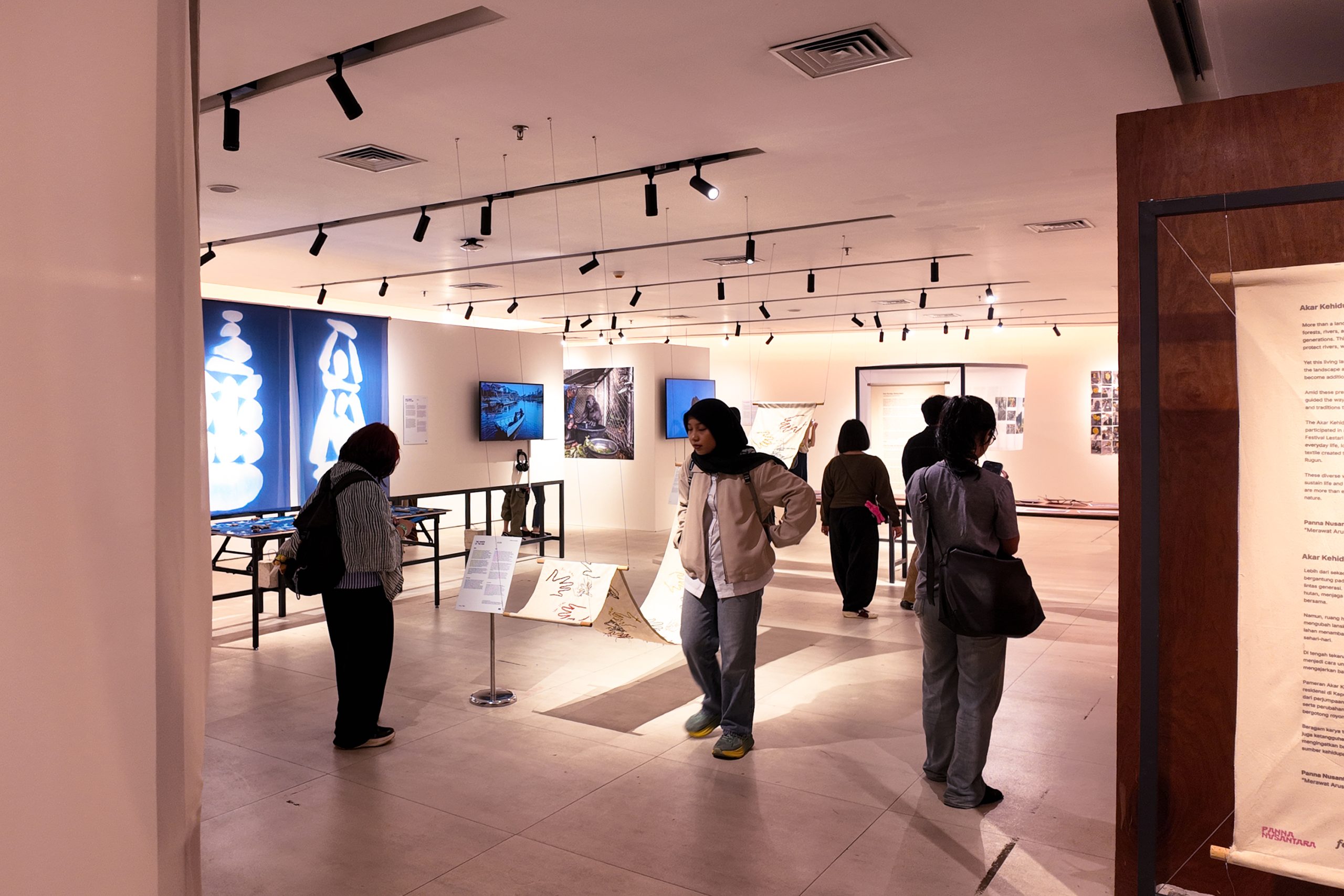
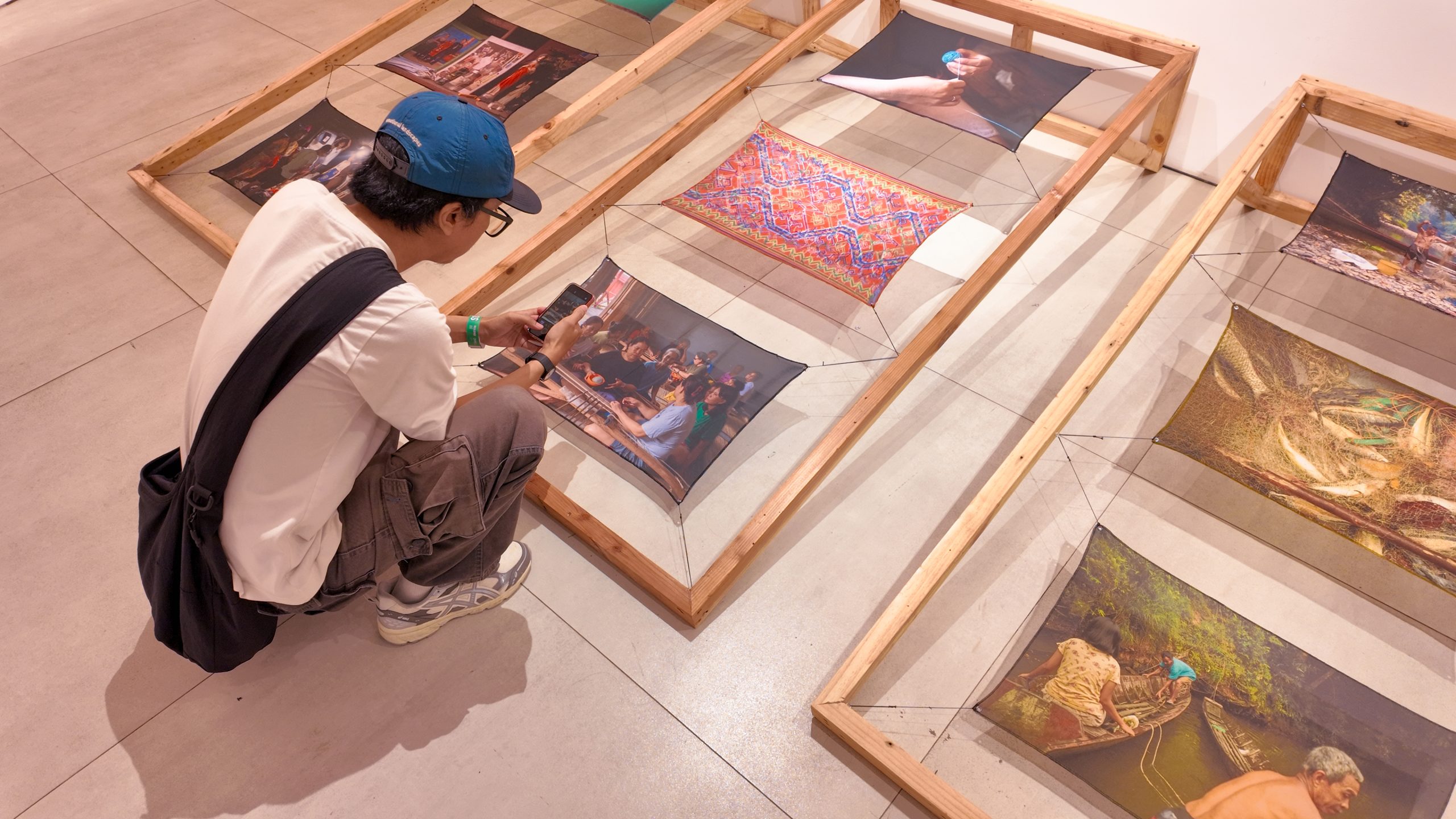
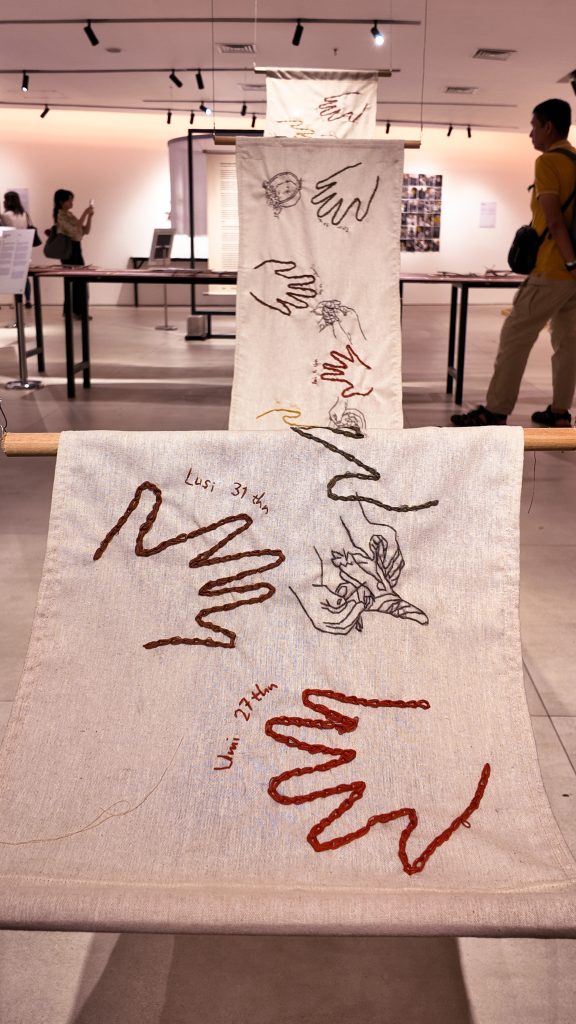
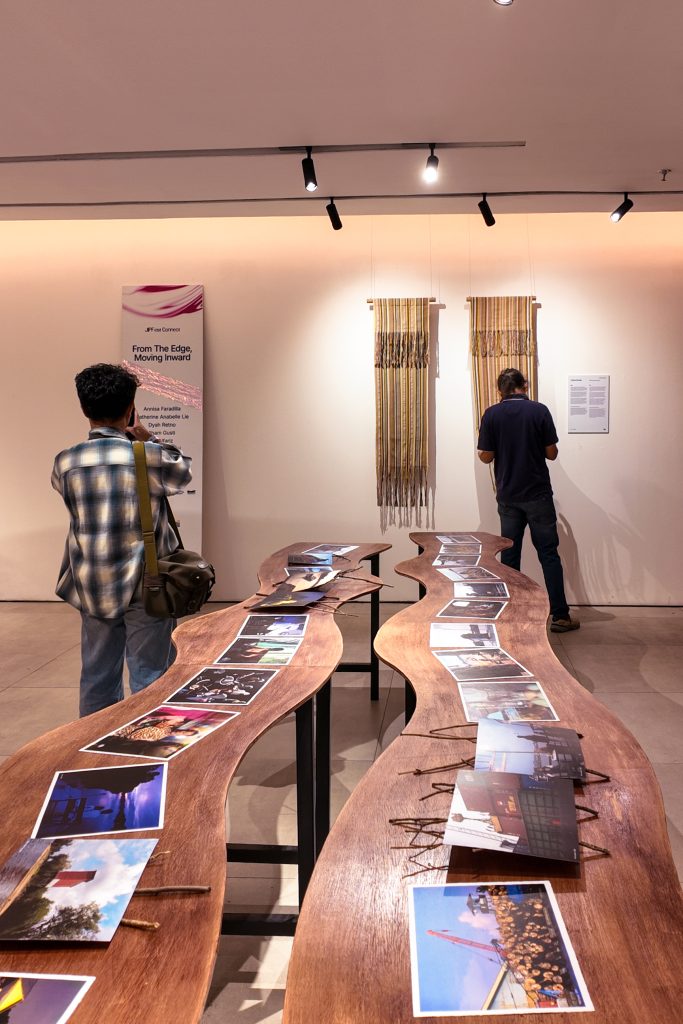
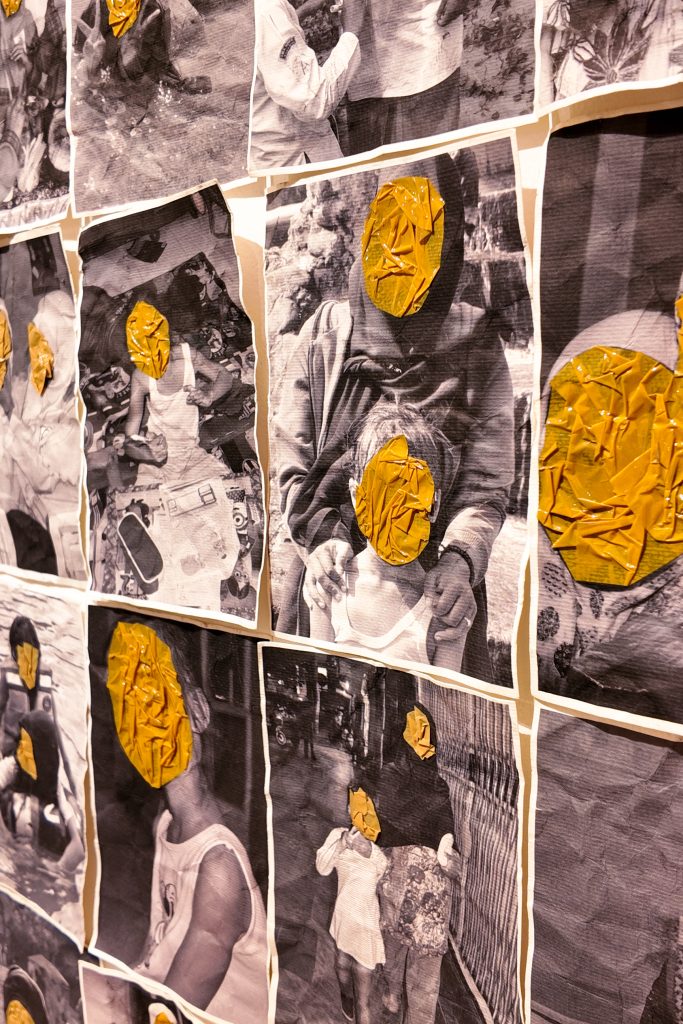
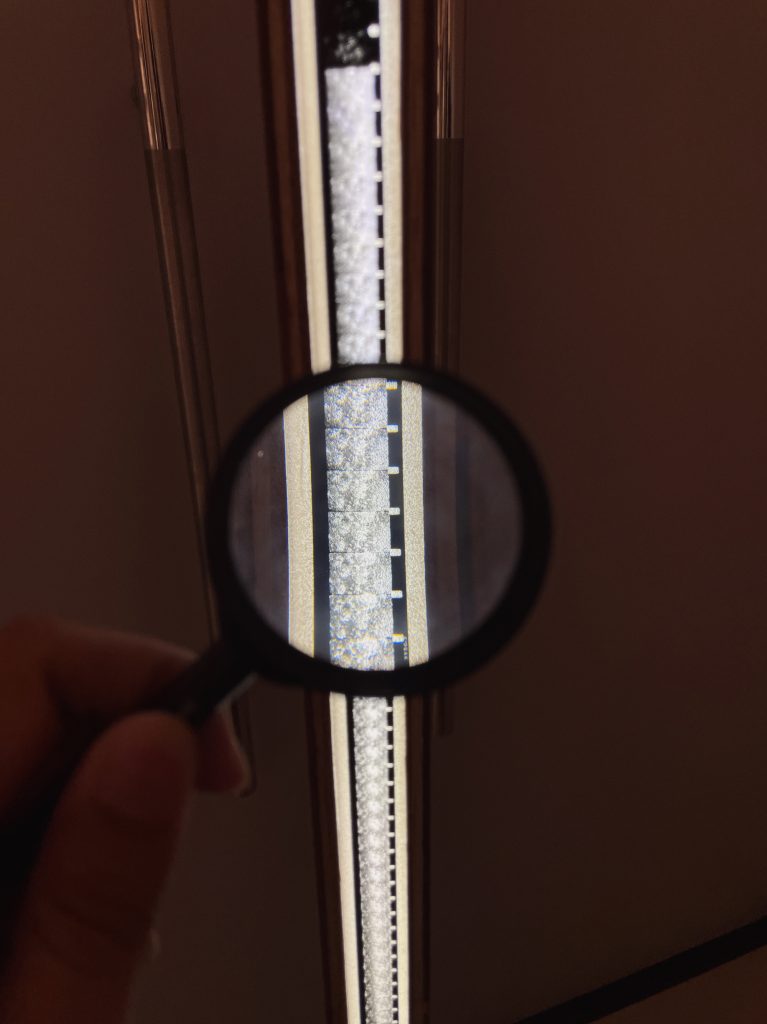
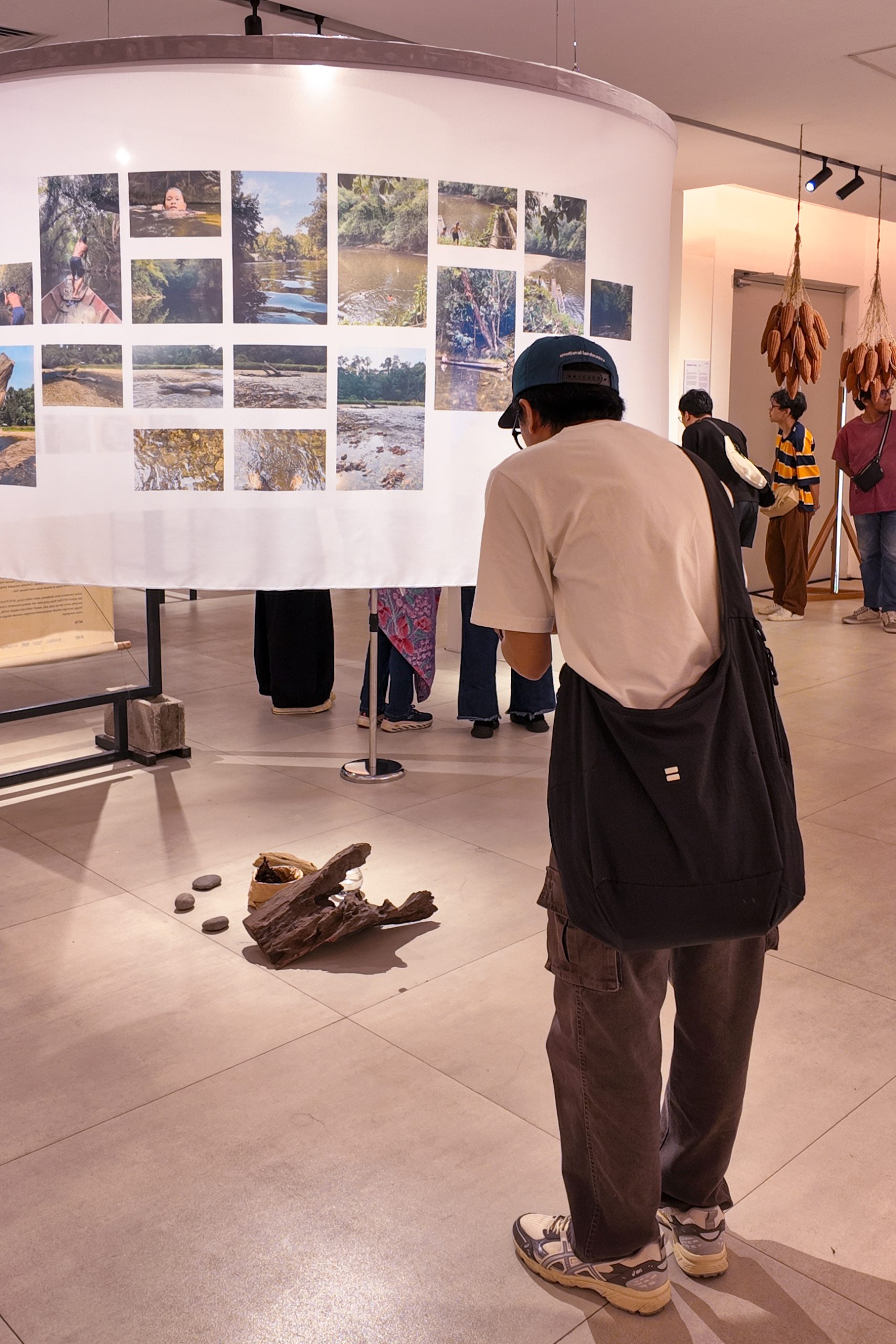
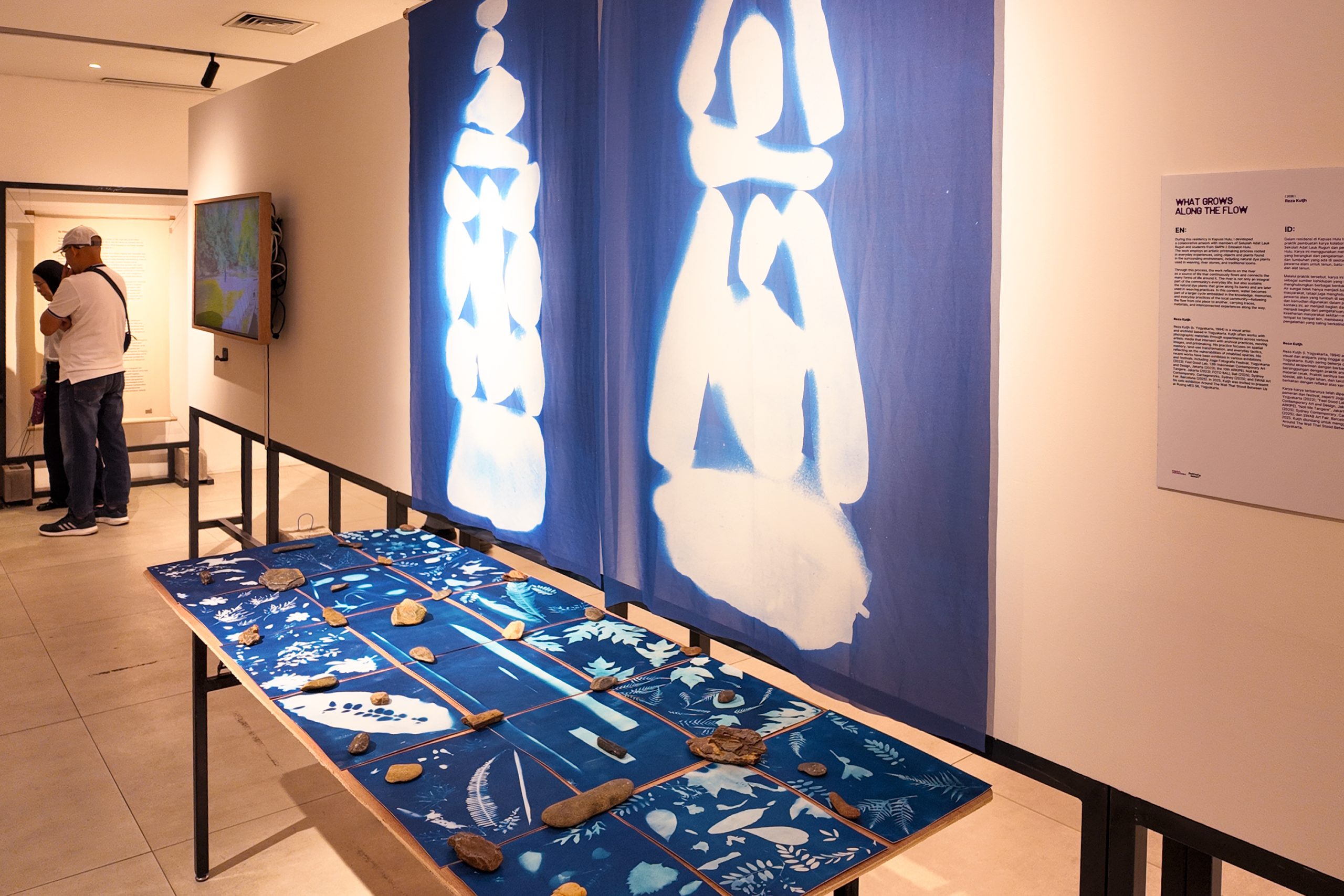
Last but not least is the last room titled From the Edge, Moving Inward exhibition, which is a collaborative effort between MTN Seni Budaya and JIPFest to bring stories of resilience from lesser known corners of Indonesia into dialogue with Jakarta audiences, without stripping them of the context and meaning rooted in where they began. These works began with a site visit to various regions of the archipelago, including Sungai Utik in West Kalimantan, which developed into several multiformat projects that depict the people’s resilience amidst the challenges they have to face in their region.
Last but not least is the last room titled From the Edge, Moving Inward exhibition, which is a collaborative effort between MTN Seni Budaya and JIPFest to bring stories of resilience from lesser known corners of Indonesia into dialogue with Jakarta audiences, without stripping them of the context and meaning rooted in where they began. These works began with a site visit to various regions of the archipelago, including Sungai Utik in West Kalimantan, which developed into several multiformat projects that depict the people’s resilience amidst the challenges they have to face in their region.
JIPFEST 2026 was held on 11-20 September 2026 at Taman Ismail Marzuki.
Which exhibition should we visit next?

JIPFEST 2026 was held on 11-20 September 2026 at Taman Ismail Marzuki.
Which exhibition should we visit next?